Lighting Exhibitions, Winning Customers: A Showcase Lighting Supplier’s Guide To Trade Show Success
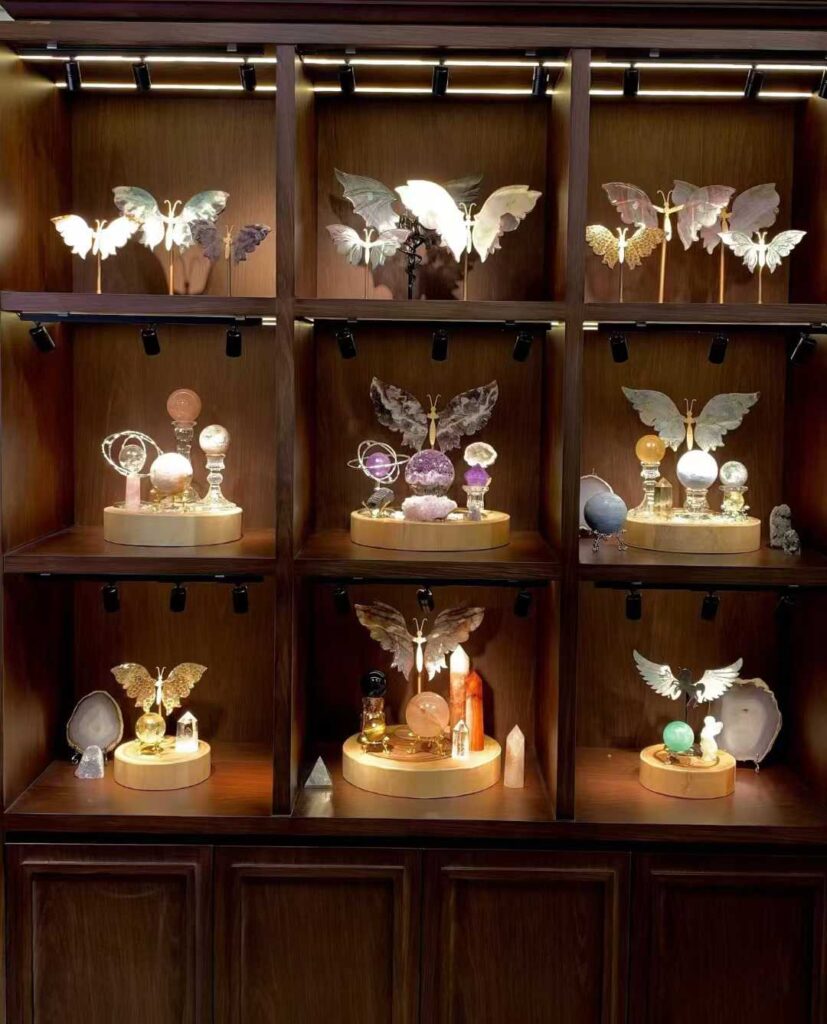
Introduction Lighting fairs are not just places to show products. They are places to build trust. Buyers want to see the light in a real space. They want to know how it looks in a cabinet, jewelry counter, museum case, or retail display. That is why exhibition prep should focus on creating an experience, not just […]
Temporary Exhibitions Need Different Lighting Strategies
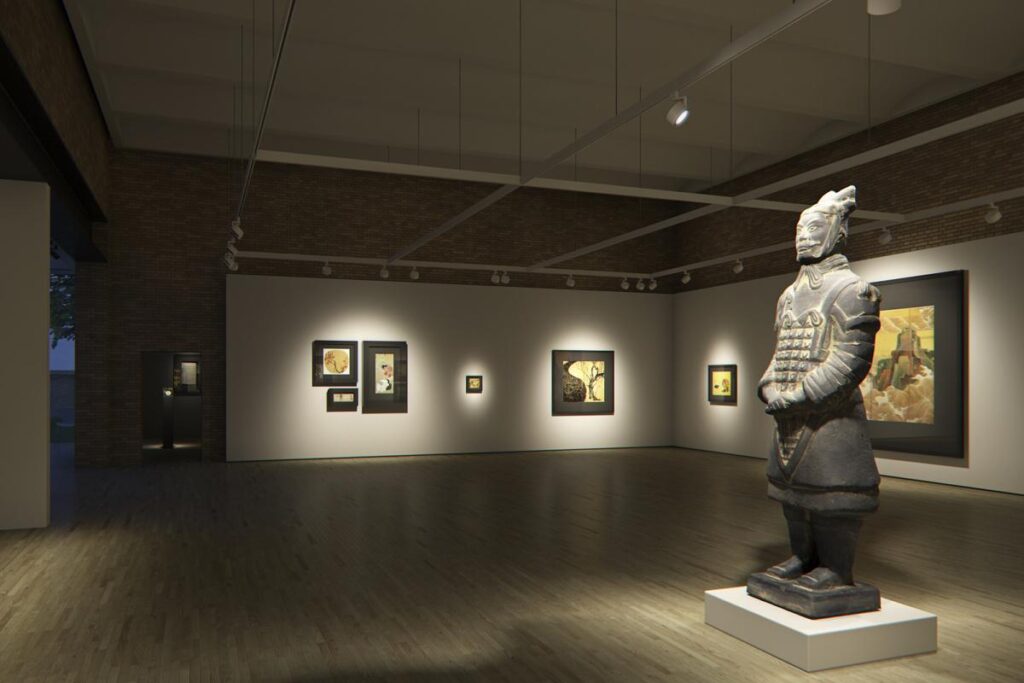
Introduction Exhibitions change constantly. One month you’re showing old documents. Next month? Same space, but now it’s paintings, jewelry, sculptures, whatever. That’s why you can’t light a temporary show the same way you’d light a permanent installation. They’re completely different animals. A fixed lighting setup looks fine initially. Then the display changes and suddenly everything […]
From Collection To Presentation: How Track Lighting Transformed A Crystal Display Cabinet In Canada
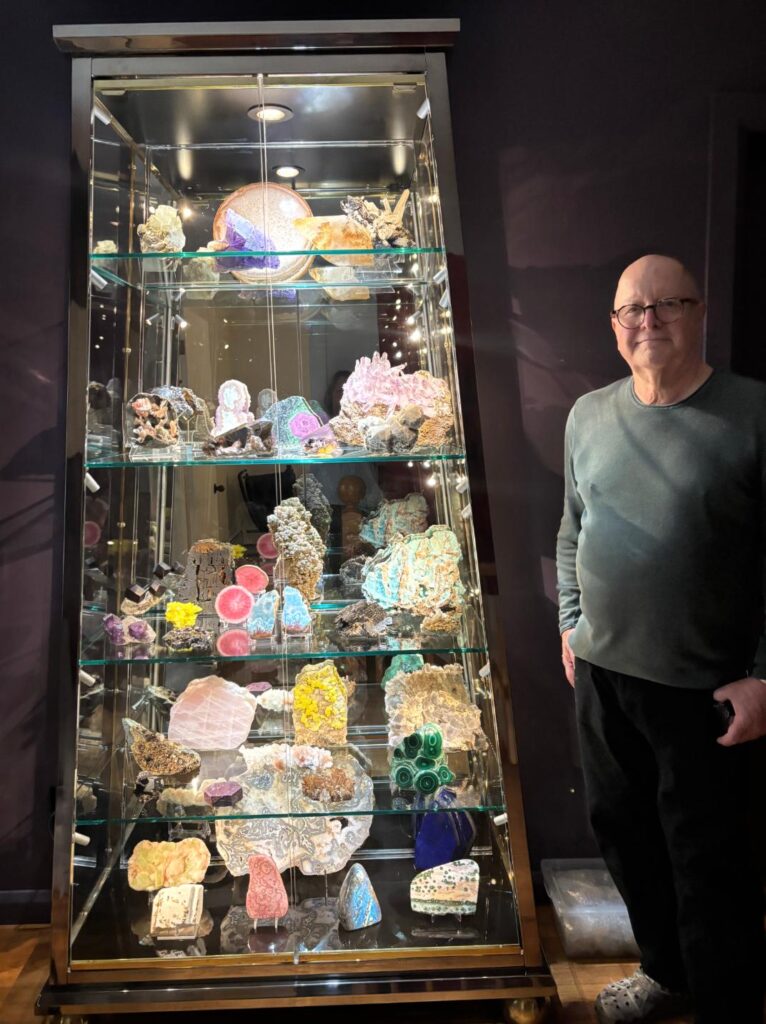
Introduction A crystal collection can be rare and beautiful, but it can still look “flat” behind glass. That’s because minerals don’t just need light—they need the right light. Recently, a collector in Canada installed an adjustable track system inside a tall, multi-shelf glass cabinet for agates, quartz, malachite, fluorite, pyrite, and mineral slices. After the install, […]
Designing Lighting For Maintenance, Not Just Installation
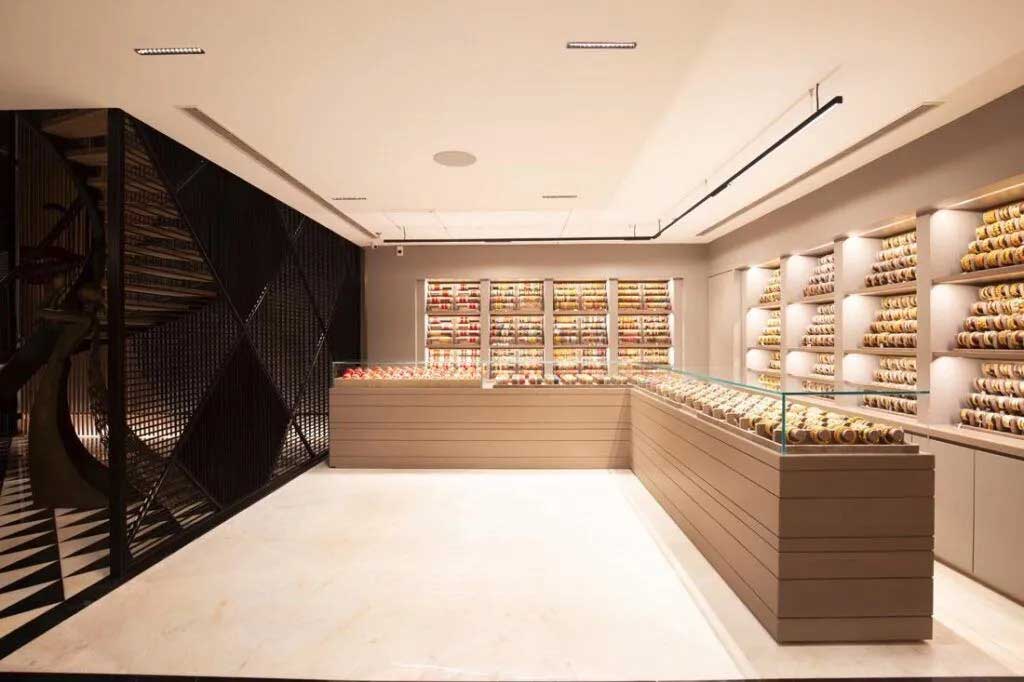
Introduction Most lighting talks start with installation. How fast can you mount it? How clean does it look? Does it hit the “wow” effect on day one? But after months of dust, fingerprints, and daily use, the real question shows up: At LightrixTech, we design track systems for long-term use. We focus on easy access, […]
How to Light Different Jewelry Types (Diamond, Pearl, Gold, Silver) in One Case
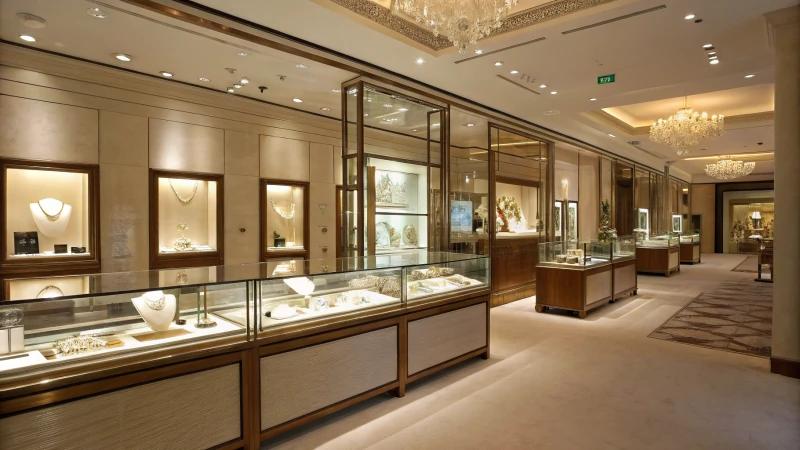
Introduction Trying to light diamonds, pearls, gold, and silver in one display case can feel like serving four guests who all want different meals. One light setting can make diamonds sparkle—but it can also wash out pearls, cool down gold, and make silver look dirty. This guide shows a simple, repeatable way to balance it […]
From Concept To Cabinet: What Happens When You Request A Custom LED Light
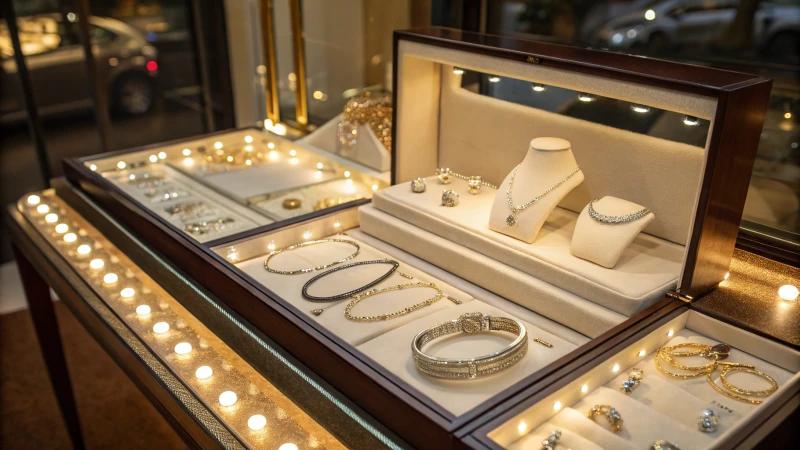
Introduction A lot of buyers hear “custom” and think “slow, complicated, risky.” In LED showcase lighting, it’s often the opposite. When the light is built for your cabinet from day one, you spend less time guessing, reworking, and “making it fit.” LightrixTech treats customization as a normal workflow, not a special favor. What Should You Share […]
The Shift From Fixtures To Experiences In Modern Lighting Design
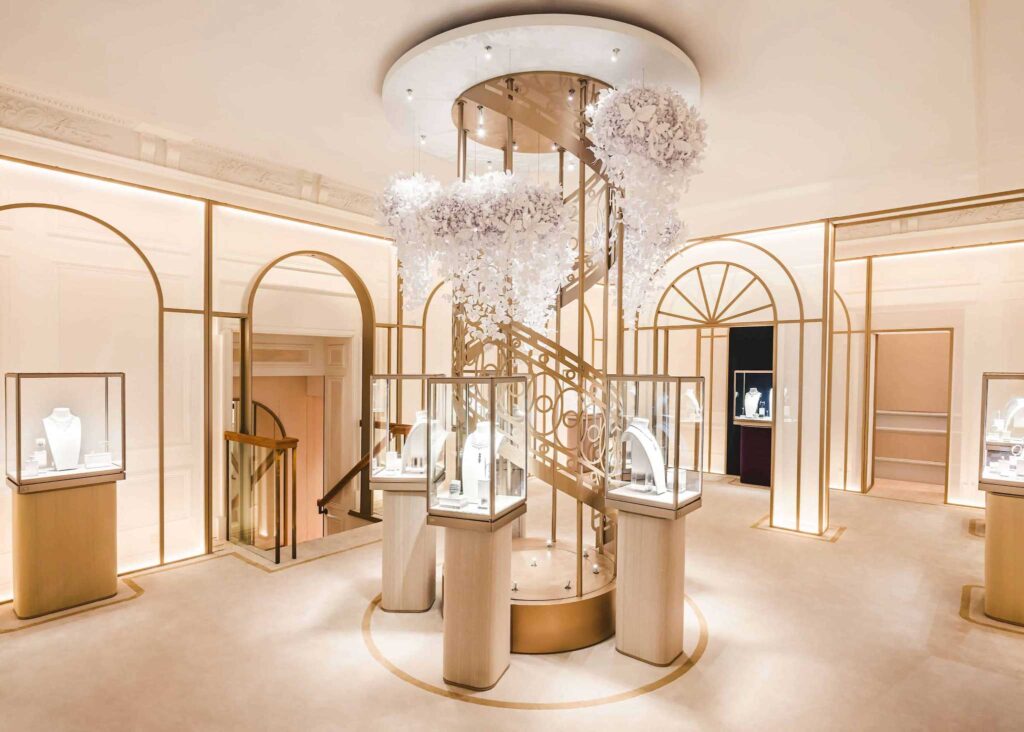
Introduction In the past, lighting was judged by one basic test: did the lights turn on, and were the fixtures installed right?Today, that’s not enough—especially in retail, museums, and premium showcases. Now the real question is: what does the space feel like when the lights come on? This is why modern track lighting is no […]
TR-1 PET Transparent Rail: Invisible Structure, Visible Value
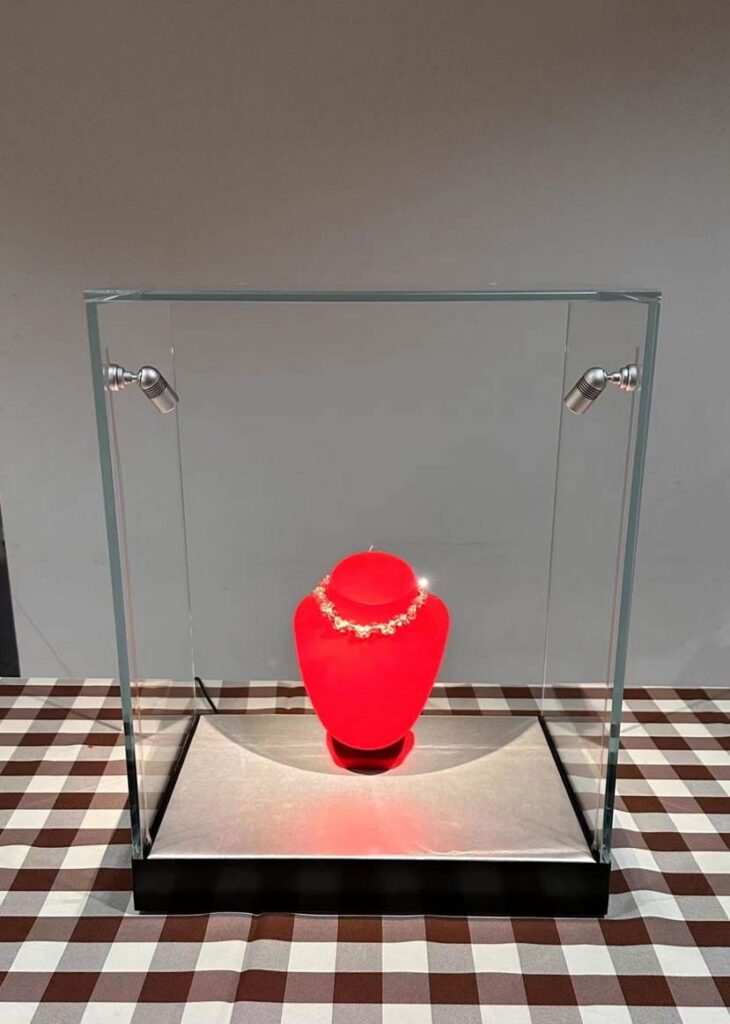
Introduction In a small glass showcase, every detail shows. That includes the lighting hardware. If the track looks bulky or the wires feel messy, the display loses its “high-end” feel fast. That’s why the TR-1 PET transparent rail is built to disappear—while still giving you clean power delivery, flexible positioning, and safe low-voltage control. It’s […]
Why Modular Lighting Reduces Risk In Multi-Phase Projects
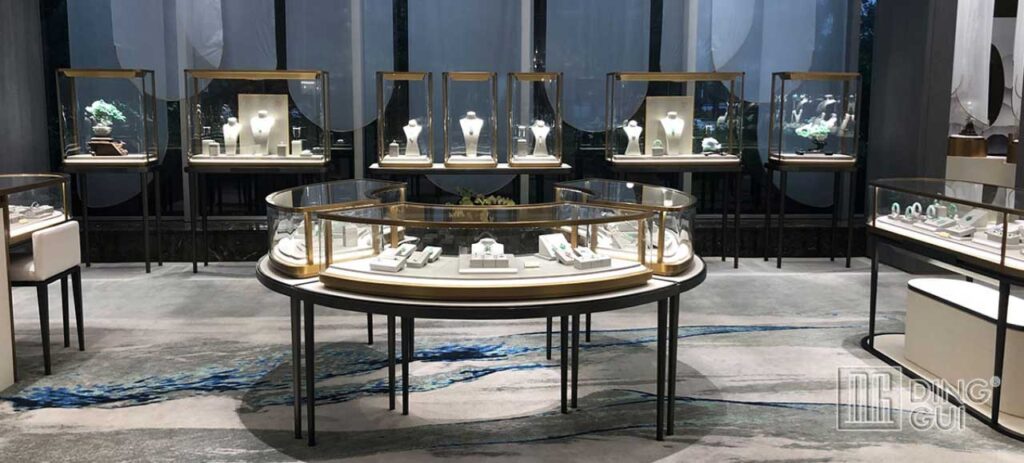
Introduction Multi-phase builds move in chunks. A floor opens while another is still under construction. A tenant changes their layout. A budget gets split across quarters. In that kind of project, lighting can either stay flexible—or become the thing that keeps getting ripped out and redone. Modular systems (especially track-based setups) help because they’re built for […]
Why Uniform Lighting Can Make Premium Products Look Ordinary

Introduction Uniform lighting feels “safe.” Everything is bright. Everything is visible. But in a luxury showcase, that can be the exact problem. When every surface gets the same light, your hero products stop looking like heroes. They start looking… normal. Below is a simple, question-based guide to fix that flat look using layered lighting, beam […]