When you import display case lighting, the certificates are not paperwork – they are what stands between you and a customs hold, an insurance dispute, or a liability claim after an electrical incident. And the uncomfortable truth of this industry is that a certification logo on a website proves nothing. Logos are copied more often than certificates are earned. Here is how to verify claims like a professional buyer, whoever your supplier is.
Last updated: November 2026
The three questions every certificate must answer
| Question | Why it matters |
|---|---|
| 1. What is the file / certificate number? | A real certification always has one. “We are UL certified” without a number is a claim, not a certificate. |
| 2. Which exact models does it cover? | A listing for one model does not cover the family. Verify the model you are buying appears on the listing. |
| 3. Is it current and active? | Listings lapse, get withdrawn and get re-issued. Databases show the current status. |
Verifying the major marks
UL (United States). Ask for the UL file number, then check it in UL Product iQ (ul.com/product-iq) – free registration, searchable by file number or company. Confirm the exact model is listed and the status is active.
ETL (Intertek, North America). Same procedure with the Intertek / ETL Listed mark directory. ETL to the same UL standards is fully legitimate – what matters is that the listing exists, is active, and names your model.
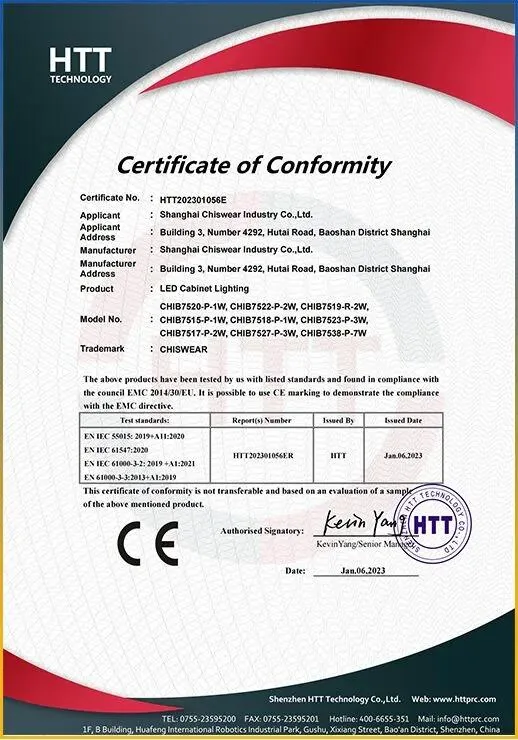
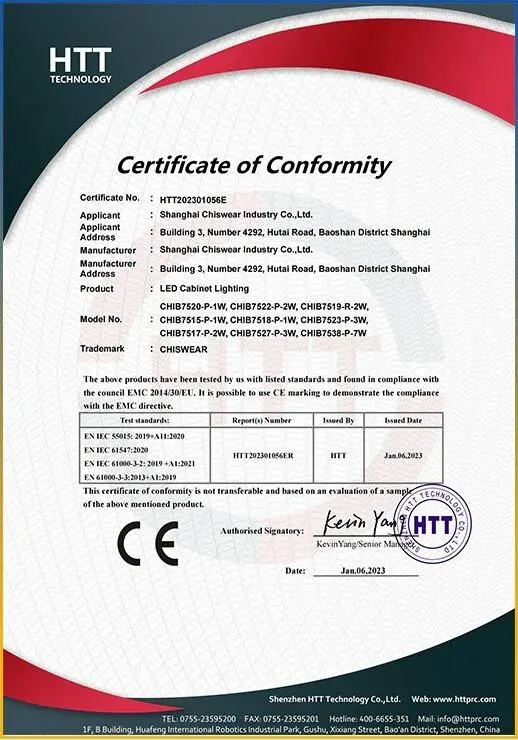
CE (European Union). CE is a self-declaration, not a single authority-issued certificate. So the professional check is: request the Declaration of Conformity (DoC) plus the underlying test reports, and verify they name your exact model, the applicable standards (LVD, EMC, RoHS), and a real test laboratory. A DoC that names no model or no standard is a red flag.
RoHS. Usually part of the CE package for the EU; for other markets ask which restricted-substances documentation is provided.
Red flags that mean walk away
- Logo on every page, but no file number anywhere in the quotation.
- A certificate PDF that covers one model, used as proof for the whole catalog.
- The certificate names a different company than the one on your contract or proforma invoice.
- “The certificate is being renewed” – for months.
- Pressure to skip samples or documentation checks because of the delivery schedule.
Destination-market details that people forget
- Voltage and rating labels must match the destination market (e.g. North American voltage and marking conventions, EU equivalents).
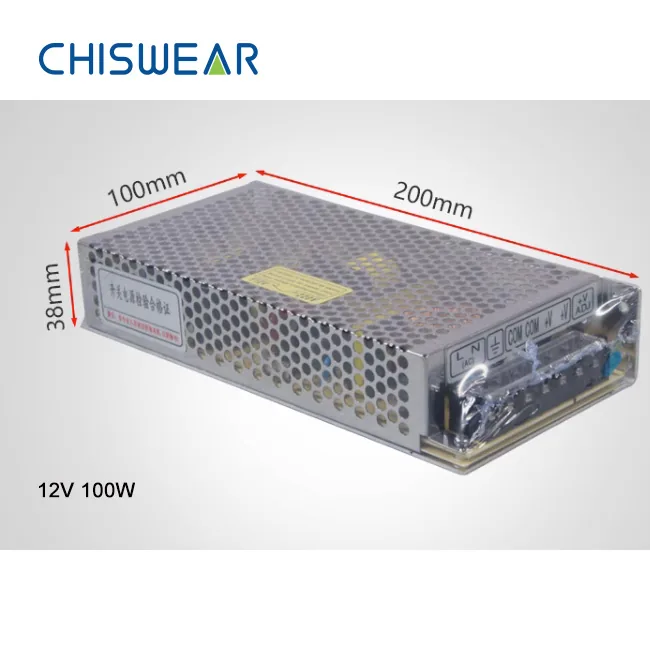
- Low-voltage systems still need compliant drivers – for a 12V/24V magnetic track system, the driver certification is as important as the head certification. Our driver selection guide lists what to require from a driver supplier in writing.
- Keep the certificates on file with the shipment records – customs and insurers ask years later, not on delivery day.
Frequently asked questions
Is a certification logo on the product page enough proof?
No. A logo is a claim, not evidence. Ask for the certificate or listing file number and the exact model numbers it covers, then verify both in the certifier’s public database. Logos are copied more often than certificates are earned.
How do I verify a UL or ETL listing?
For UL, use UL Product iQ (ul.com/product-iq) – search the file number or company name and confirm the exact model is listed. For ETL, use the Intertek directory. In both cases check that the listing is active and that your specific model appears, not just the manufacturer’s company name.
What exactly is CE marking for lighting?
CE is a manufacturer’s self-declaration that the product meets applicable EU directives – it is not a certificate issued by a single authority. That is why you should request the Declaration of Conformity plus the underlying test reports, and check that they name your exact model and standard.
Ask us – and ask everyone
Our rule is simple: request certificate file numbers and covered-model lists from every supplier you evaluate, including us, for your destination market, before the deposit. We answer that question in writing. Start with the showcase & display case lighting guide or contact our team.