Introduction
Most lighting talks start with installation. How fast can you mount it? How clean does it look? Does it hit the “wow” effect on day one?
But after months of dust, fingerprints, and daily use, the real question shows up:
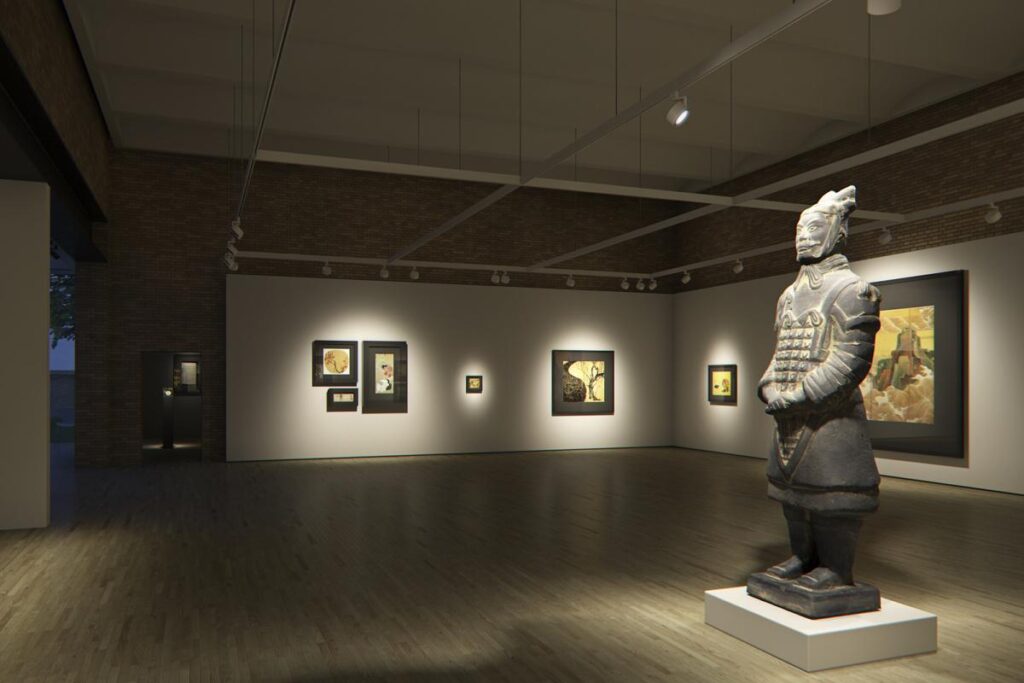
At LightrixTech, we design track systems for long-term use. We focus on easy access, steady performance, and simple maintenance. This matters most in showcases, museums, and retail spaces, where lights stay in use for years, not just weeks.
Why Does Maintenance Matter More Than Installation Over Time?
Installation is a short event. Maintenance is the long life.
A project might be installed in hours or days, but the lighting may run 8–15 hours every day for years, often inside tight cabinets that are hard to reach. That’s why the real lifecycle cost depends on how easy it is to clean, service, and keep stable.
When you design for maintenance early, you avoid “locked-in” problems later—like fixtures trapped behind trim, drivers hidden behind panels, or heat that slowly cooks parts until they fail.
What Changes When You Think In Lifecycle Costs Instead Of Install Costs?
You start asking practical questions like:
- Can staff remove a light head without tools?
- Can you swap a driver without dismantling a cabinet?
- Is there airflow so the system stays stable year after year?
Here’s a simple way to view it:
| Lifecycle Stage | What People Focus On | What Maintenance-Focused Design Adds |
| Install day | Speed, neat look | Access points, service clearance |
| 3–12 months | Cleaning, small tweaks | Easy wipe-down surfaces, quick repositioning |
| 1–3 years | Failures, replacements | Modular parts, driver access, heat control |
| 3–7+ years | Upgrades, re-layouts | Expandable rails, replaceable optics, flexible heads |
What Hidden Costs Happen When Maintenance Was Not Planned?
A system can look perfect at first and still become a headache later.
Common long-term pain points include:
- Fixtures blocked by cabinet framing
- Drivers buried behind finished panels
- Track layouts that make replacement impossible
- Overheating because air can’t move
These problems raise labor time, create downtime, and force early replacements. In museums and retail chains, maintenance often happens while business is open, so every extra minute matters.
Why Do “Small” Issues Become Big Operational Problems?
Because service work is repeated.
If a technician needs 45 minutes instead of 10 minutes—every time—your costs stack up fast across many locations.
| Poor Maintenance Design | What It Causes | What It Looks Like In Real Life |
| No access path | Longer labor | “We must remove the glass panel first.” |
| Hidden driver | More downtime | “The light is fine, but the driver is dead.” |
| Tight track spacing | Hard swaps | “We can’t slide the head out.” |
| Weak heat handling | Faster aging | “It got dimmer and changed color.” |
Heat is a big one. LED systems last longer when temperature stress is controlled, because LED reliability is strongly tied to junction temperature.
How Do Modular Track Systems Make Service Easier?
Modularity is one of the biggest reasons modern track systems win in real projects.
Instead of hardwiring fixed fixtures, you can:
- swap heads quickly
- reposition lighting without rewiring
- upgrade optics later without rebuilding the whole setup
This is exactly why magnetic track lighting is popular in fast-changing displays. LightrixTech also calls out how compact systems help clients test layouts quickly and update heads without heavy rework.
What Does “Modular” Mean In Daily Maintenance Terms?
It means a worker can fix the problem where it happens, without tearing the cabinet apart.
A good example is a magnetic track light head that you can remove and replace with ease. It is much better than a fixed light, which often means opening panels and dealing with wires.
| Modular Feature | Maintenance Benefit | Example In Showcase Work |
| Movable heads | Fix glare fast | Aim away from glass reflections |
| Replaceable heads | Swap in minutes | Replace one faulty unit, keep the rest |
| Upgrade-friendly rails | Future-proof | Add new beam angles later |
| Mixed fixture types | Better coverage | Combine bars + spot heads + poles |
This also supports tight cabinet setups where brands use Mini showcase track lighting to keep the system small but still serviceable.
Why Is Thermal Management A Maintenance Strategy, Not Just Engineering?
Because heat is not just a performance issue—it’s a failure multiplier.
Even though LEDs waste less energy as heat than older lamps, LED systems still need solid thermal design to keep parts from aging early.
In enclosed showcases (glass, tight air volume, warm ambient), heat builds up. Over time, that can mean:
- shorter LED life
- faster brightness drop
- color drift
LightrixTech often points to aluminum structures and airflow-conscious designs to reduce long-term thermal stress.
What Are Simple Thermal Design Choices That Reduce Maintenance?
These are the “quiet wins” that save you later:
- aluminum bodies that pull heat away from the LED
- spacing that lets air move (even small gaps help)
- not trapping drivers in sealed pockets
- keeping fixtures serviceable so you can replace the one part that failed
Some LightrixTech systems also combine compact heads with Mini LED pole lighting for close-range targeting while keeping the rail system flexible.
| Thermal Choice | What It Prevents | Maintenance Result |
| Better airflow | Overheating | Fewer early failures |
| Heat-sinking metals | LED stress | More stable brightness |
| Accessible drivers | Driver burnout pain | Faster repair, less downtime |
| Right fixture placement | Heat traps near glass | Less color drift |
How Does Coordination Prevent Service Problems Before They Exist?
Maintenance issues often start during design and installation—not years later.
Coordination between designers, installers, electrical teams, and fixture suppliers helps you avoid mistakes like:
- tracks clashing with HVAC routes
- lights becoming inaccessible after finishing
- service paths getting blocked by cabinet structure
LightrixTech highlights coordination as a bridge between design intent and real installation feasibility.
What Should Teams Agree On Before Installation Starts?
A simple “service plan” checklist saves pain later:
| Pre-Install Question | Why It Matters |
| Where will technicians reach the fixtures? | Prevents “sealed-in” lighting |
| Where will drivers sit? | Avoids tearing panels to repair |
| How will the track be cleaned? | Keeps output stable over time |
| What changes are expected in 12 months? | Supports future re-layout |
Why Does Easy Maintenance Improve The Customer Experience?
Lighting is part of the experience. Not just the look.
In a retail brand or museum, steady lighting supports:
- consistent color appearance
- less downtime
- fewer “patchy” areas where lights failed
LightrixTech also ties modern display lighting to experience—stable output and flexible control matter because displays change often.
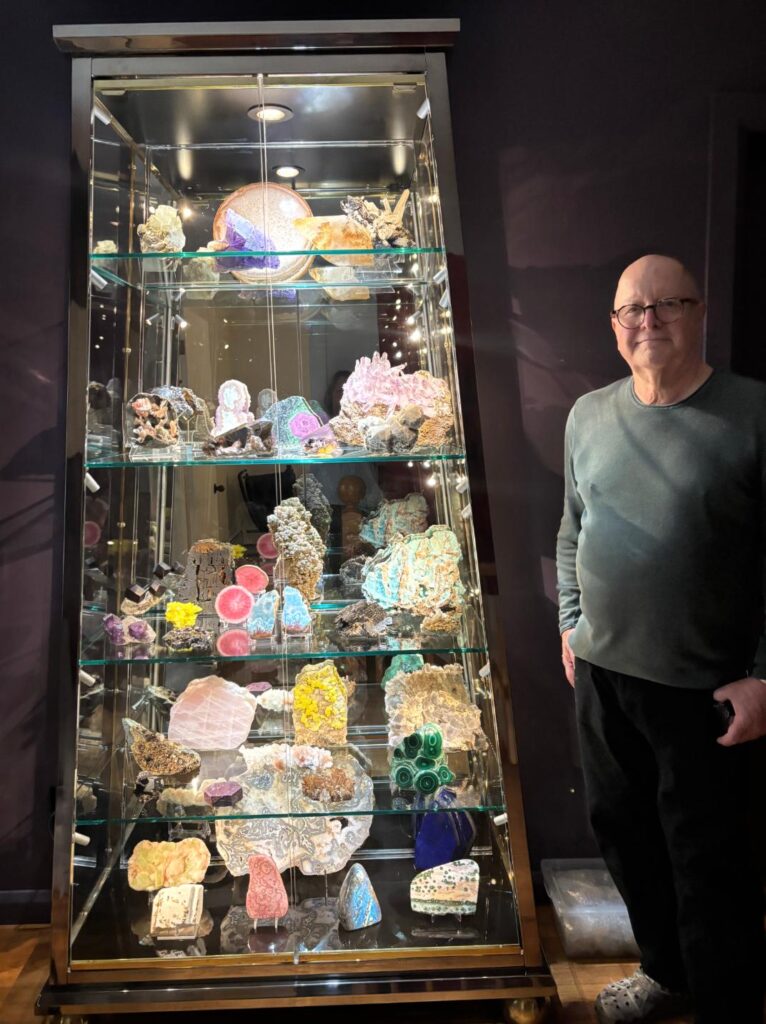
This matters even more for Jewelry showcase lighting, where tiny changes in color and sparkle are obvious.
What Does “Maintenance-Friendly” Look Like To A Visitor?
Visitors don’t think about drivers and rails. They only see:
- whether displays look premium
- whether colors feel true
- whether lighting is consistent across cabinets
If lighting keeps failing or shifting, it quietly harms brand trust.
How Do You Design Track Lighting That Stays Upgrade-Ready?
The best systems are built for change.
A maintenance-oriented track design should allow:
- new heads and optics later
- driver replacement without demolition
- expansion without rebuilding rails
That’s why many modern systems lean into standardized rails and modular heads—so you can grow the system as the display grows.
If you want a deeper comparison of system types, LightrixTech breaks down differences between magnetic and traditional track approaches (including why low-voltage magnetic systems are often chosen for flexible showcases).
Conclusion
Many projects look amazing on installation day.
The best projects are designed to:
- stay stable after years
- remain easy to service
- adapt without disruption
Installation is only the beginning. Maintenance defines long-term value.
At LightrixTech, track lighting is built not only to illuminate, but to stay serviceable, adaptable, and reliable throughout the full lifecycle.
External Links:

6 Responses
Wish you happiness
Every day is a new beginning
Hahahaha You are so good
Good a blog toper
Here you are
I like this