Introduction
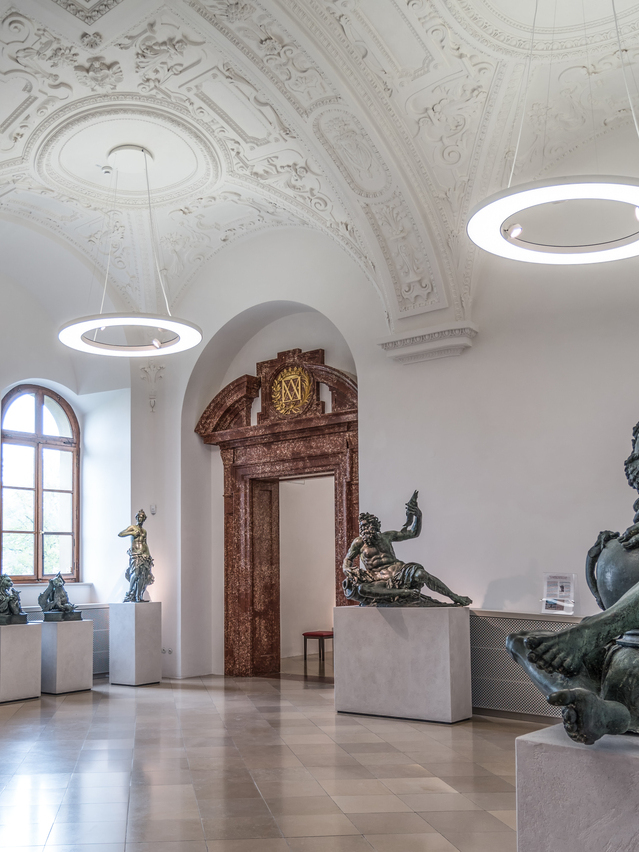
Old buildings are packed with good stuff. Carved wooden doors. Stone columns. Painted ceilings that someone spent months on. Light them badly, though, and half of it just disappears into the shadows.
Modern track lighting can fix that. Done right, it pulls those details forward and leaves the building’s character exactly where it was.
At LightrixTech, we’re in the middle of discussions on a historic-building renovation right now. The client wants track lighting to lift the interior displays. This article is what we’ve learned about lighting old spaces without changing who they are.
Old Buildings Need a Different Kind of Light
Trying to make the details of an old room stand out? The first instinct is to make everything brighter. It rarely works. Flood a room evenly and the special bits just blend into everything else.
| Architectural Feature | Lighting Approach |
|---|---|
| Carved wooden columns | Focused accent light |
| Decorative ceilings | Wide, even beams |
| Stone walls | Angled light to bring out texture |
| Paintings | Controlled, low-glare light |
| Sculptures | Adjustable spotlights |
Hiding the Hardware in an Old Interior
Chunky fittings and exposed cable can spoil an old room fast. Visitors look up and see a row of black cans, not the plasterwork.
Compact track lighting is the way around that. Little heads, tight beams, nothing that shouts.
Aim a magnetic track light at a decorative wall or a carved panel and it more or less disappears into the ceiling line.
At LightrixTech, before we suggest a system, we look at how big each fitting is, where it’ll mount and what’s around it. People should leave admiring the craftsmanship. Not wondering why there’s so much modern kit on the ceiling.
Flexible Track Lighting Earns Its Place in Old Buildings
Say a spotlight goes up pointing at a column. Looks fine. A few days later someone tilts it a touch to one side and the carving suddenly jumps out in a way it didn’t before. With magnetic track lighting, you just slide the compatible fixture along the track and try again.
Buildings with changing exhibitions get the most out of this. New display? Staff adjust what’s already up there. No new lights every time.
One catch, though. Moving the fixtures is easy. Moving the track isn’t, so plan where it goes from day one.
How Does Beam Angle Change What Visitors See?
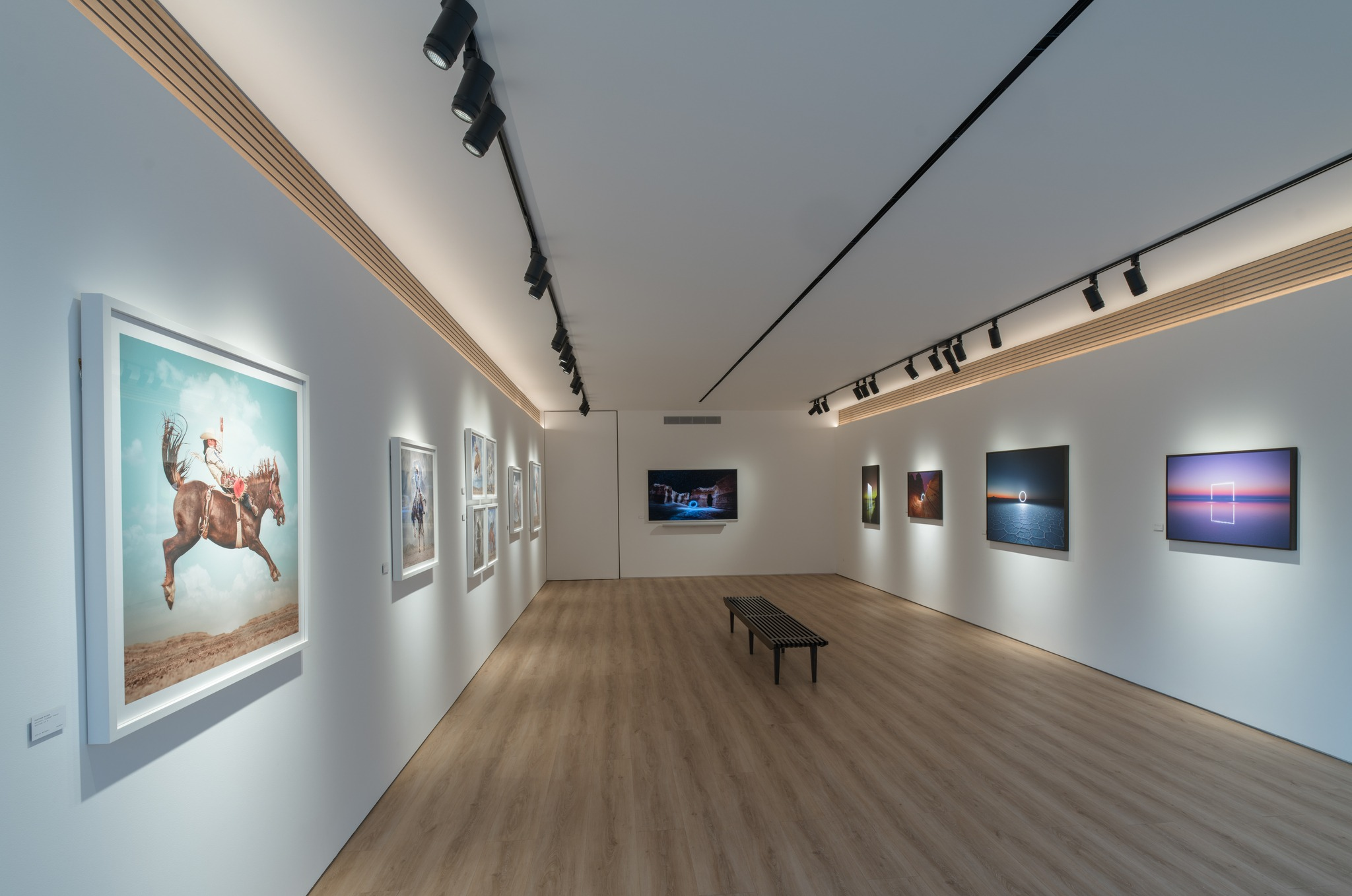
Ever seen a hard, bright circle on a wall with nothing but gloom around it? That’s usually a spotlight with too narrow a beam.
Beam angle is the width of the cone of light. Go tight for a small boss or a carved rose. Wider beams wash bigger surfaces. Get it wrong and a beautiful wall ends up looking patchy.
| Beam Angle | Typical Use |
|---|---|
| 15° | Small carvings and ornaments |
| 24° | Columns and single sculptures |
| 36° | Medium-sized architectural features |
| 60° | Large decorative surfaces |
Think of the numbers as a first guess. Not rules.
Distance changes everything here. Move a fitting back and the same beam covers a bigger patch of wall. So a small carving lit from two metres off may want a tighter beam than that same carving lit from one metre.
Our guide on choosing track lighting for museums and galleries goes into why adjustable beams help so much.
Mock it up on site. One head, a ladder and twenty minutes of fiddling beats any spreadsheet.
Getting Colors Right With High CRI
Ever had a painting go grey and lifeless the moment the new lights came on? Or an oak sideboard lose the honey tone it had in daylight? Color rendering is usually to blame.
CRI stands for Color Rendering Index. It scores a lamp on how close its colors come to a reference light source. Under high-CRI LED lighting, aged timber, painted plaster, sandstone, faded tapestry and tarnished brass stay looking like themselves. And historic rooms are full of those subtle, easy-to-lose differences.
| CRI Level | General Color Rendering |
|---|---|
| 80+ | Fine for many general spaces |
| 90+ | Better for detailed displays |
| 95+ | Worth it where color accuracy really counts |
At LightrixTech, we suggest looking at high-CRI products wherever true color matters.
One warning. Better color isn’t a licence to turn the brightness up. Delicate historic materials have brightness and exposure limits whatever the CRI says. Sharper color, yes. More lux, not necessarily.
The Mounting Headaches Nobody Mentions Upfront
Choosing a fitting is the easy half. Fixing it to the building without harming anything is the hard half.
Protected buildings usually arrive with a rulebook. Limits on drilling. Limits on wiring. Ceilings you can’t touch. Chip a two-hundred-year-old cornice to run a cable and you’ve undone the very thing the project is meant to protect.
Before anyone orders track, get answers on a few things. Is there anywhere at all you’re allowed to fix to? Can existing cable routes be reused? Are the walls or ceilings protected? How will maintenance staff reach the lights later on?
Mini showcase track lighting helps where space is tight. Smaller fixtures don’t magically fix mounting restrictions, though.
At LightrixTech, we think the supplier, designer, installer and conservation team need to be talking to each other early. Our article on lighting coordination explains why those conversations belong before installation, not halfway through it.
How Can Track Lighting Survive the Next Renovation?
The exhibition layout changes. Now what? Lighting built for one fixed layout turns into a bill the minute that layout moves.
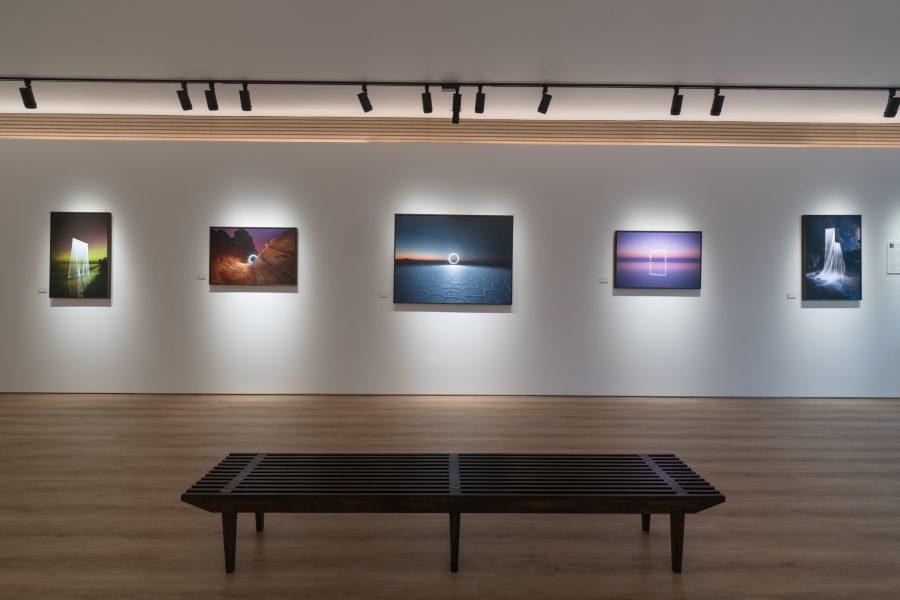
With modular track, compatible heads come off, go back on further along, or get swapped for a different beam. A magnetic track setup lets the team rearrange between shows without rebuilding the installation.
Think ahead about the boring stuff too. Access to drivers. Spare parts. Safe places for someone to stand when they’re doing maintenance. Our guide to designing lighting for maintenance covers these practical points.
Old buildings stay in use for generations. The lighting plan should assume that.
Conclusion
Modern lighting should help people enjoy a historic building. It shouldn’t steal the show.
Compact fixtures. Controlled beams. Accurate color. The right color temperature. Careful, respectful installation. Put those together and the architecture gets easier to see while its character stays intact.
Our ongoing historic-building project keeps reminding us of one thing: understand the space first, pick the fixtures second.
At LightrixTech, we don’t think modern lighting should rewrite a building’s story. It should just help people read it a little more clearly.
External Links:
- https://en.wikipedia.org/wiki/Track_lighting
- https://en.wikipedia.org/wiki/Color_rendering_index
- https://en.wikipedia.org/wiki/Beam_angle