
Introduction
Uniform lighting feels “safe.” Everything is bright. Everything is visible. But in a luxury showcase, that can be the exact problem. When every surface gets the same light, your hero products stop looking like heroes. They start looking… normal.
Below is a simple, question-based guide to fix that flat look using layered lighting, beam control, and smart aiming—without making the space feel dark.

Why Does Uniform Lighting Kill The “Luxury Feeling”?
Because it removes visual hierarchy. Your eyes don’t get a reason to pause. When everything is equally lit, nothing feels special.
What does “no hierarchy” look like in a real showcase?
You’ll notice this fast: the product doesn’t pop. The background is just as loud as the item. The whole display becomes one flat scene.
Is the problem brightness or shape?
Most times, it’s shape. Wide beams spread light everywhere. That’s great for general room lighting. It’s weak for premium product storytelling.
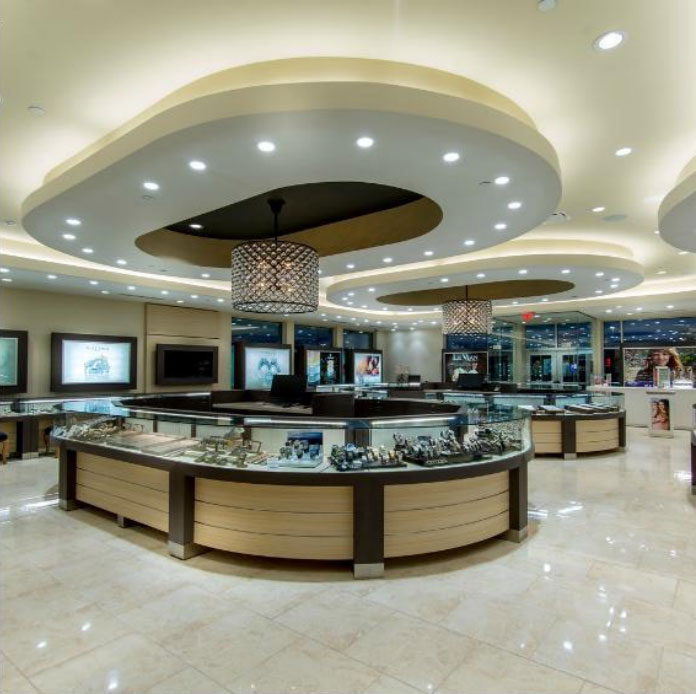
What Is The Real Problem With Wide Beam Angles?
They “wash” the area. You get even coverage, but you lose drama and depth.
Why does that matter for premium materials?
Luxury products depend on tiny details: edges, cuts, textures, polish. Those details show up when light has direction.
Is wide beam always bad?
No. It’s useful as a base layer. The mistake is using wide beam for everything.
What Beam Angles Really “Feel Like” In A Showcase
| Beam Angle Range | What It Looks Like | Best Use |
| 10°–25° | Tight spotlight, strong focus | Hero products (rings, watches, key pieces) |
| 30°–60° | Balanced highlight, softer edges | Supporting products and shelves |
| 60°+ | Wide wash, low contrast | Background and general visibility |
Why Do Premium Products Need Contrast, Not Equality?
Because contrast guides attention. It tells the customer, “Look here first.”
What happens when contrast is missing?
Products blend into the scene. Your display loses direction. Customers scan fast and move on.
What kind of contrast works best?
A simple layered plan: soft ambient light + strong accent light. Ambient sets the stage. Accent tells the story.
If you want a clear explanation of why display lighting is different from general lighting, this LightrixTech guide makes the point well:
“Showcase Lighting vs General Lighting: Why They Are Not the Same” (lightrixtech.com)
How Does Directional Light Reveal Material Quality?
Because sparkle and shine come from controlled reflections. Reflections need angles, not flat light.
What does uniform lighting do to reflections?
It softens them. It reduces shadow contrast. It can make a diamond look like plain glass, and brushed metal look dull.
How do you get “depth” without making harsh shadows?
Aim accent lights at a clean angle, then keep ambient light gentle. You’re not trying to create darkness. You’re creating shape.
Erco lighting gives a solid reference on accent lighting and light direction affects modeling.
Why Doesn’t High CRI Fix Flat Lighting By Itself?
People think high CRI alone creates a premium look. It doesn’t.
So what does CRI actually do?
CRI helps colors look accurate. That’s important for gems, gold tones, and branded colors. But accuracy without emphasis can still look “quiet.”
What completes the premium effect?
Think of it like a team:
CRI = true color
Beam control = focus
Positioning = drama
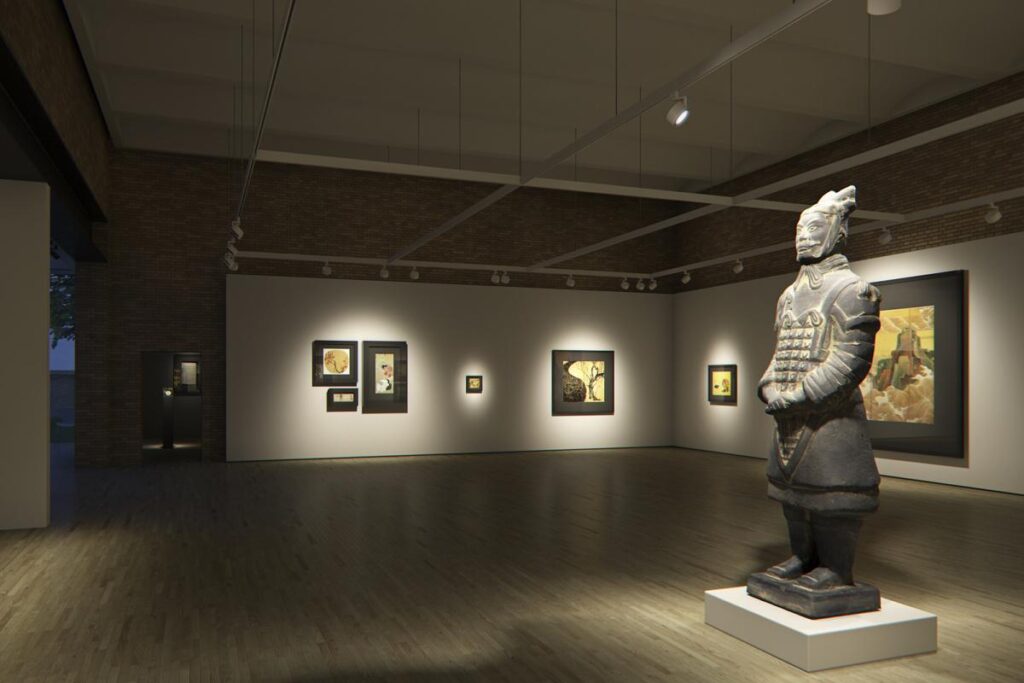
For a CRI-focused example in a display context, LightrixTech’s museum article is a helpful read.
What Does Layered Lighting Look Like In A Simple Plan?
It’s using different light jobs on purpose, instead of one “do-it-all” light.
What are the two most important layers?
Ambient layer: comfort and basic visibility
Accent layer: product focus and perception
Uniform Lighting Vs Layered Lighting
| Lighting Style | What You Get | What You Lose |
| Uniform lighting only | Even visibility | Focus, depth, sparkle, story |
| Layered lighting | Clear focal points + comfort | (Almost nothing, if balanced well) |
Where does track lighting fit in?
Track systems make layering easier because you can aim, adjust, and change the focus when displays change.
That’s why many modern showcases use magnetic track lighting. It’s fast to adjust and clean to install for display layouts that change often.
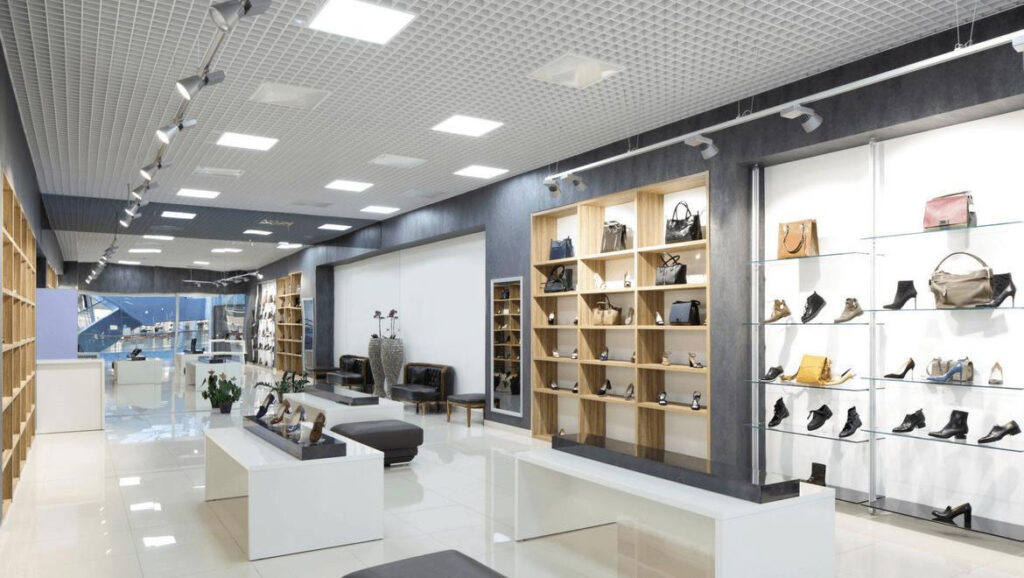
Where Do Most Showcase Projects Go Wrong?
Because more brightness can still be flat. Bright + flat is still flat.
What happens when all fixtures use the same beam angle?
You get visual monotony. Every shelf feels equal. Nothing feels premium.
What happens when there’s no lighting strategy?
Installers simplify. Designers “play it safe.” The final result loses depth.
A practical reminder: you should test and adjust on real products, not just drawings. LightrixTech shares a simple install checklist here.
How Does LightrixTech Build “Storytelling Light” Into Real Fixtures?
They reduce visual clutter. The light becomes the star, not the hardware.
What does beam choice look like in real products?
Many jewelry fixtures offer beam options like 30°, 45°, and 60°—so you can shape the scene instead of washing it.
Which systems help with quick changes in retail?
A magnetic track light system helps because the heads can be repositioned when your display changes.
What if the product is tiny, like jewelry details?
That’s where small, focused heads like Mini LED pole lighting can help. They are made for tight spaces and precise aiming in cabinets and museum-style displays
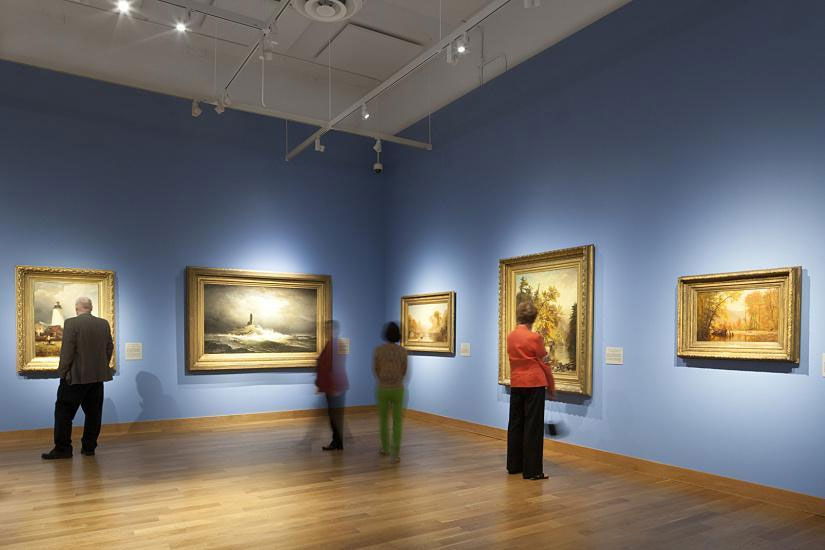
What Is A Simple Strategy To Avoid Flat Lighting?
A good starting point:
60–70% ambient
30–40% accent
How do you assign beam angles fast?
10°–25° for hero products
30°–60° for supporting areas
60°+ for background
Should you be afraid of shadows?
No. Clean shadows create depth. Luxury is not “shadow-free.” It is “well-shaped.”
Quick Fixes For Common Flat-Lighting Problems
| Problem You See | Likely Cause | Quick Fix |
| Products look dull | Too much wide beam | Add narrow accent beams on hero items |
| Gems don’t sparkle | Light has no direction | Change angle and aim; reduce wash light |
| Gold looks “quiet” | No emphasis, even if CRI is high | Use accent lighting to create focus |
| Display feels messy | Too many bright points | Lower ambient, clean up aiming |
Conclusion
Uniform lighting makes everything visible, but it also makes everything feel the same. If you want premium products to look premium, build contrast on purpose. Use a soft ambient layer for comfort, then add focused accent beams to create sparkle, depth, and a clear “hero.” In the end, luxury isn’t about more light. It’s about better direction.
External Links:

One Response