Introduction
LED lighting is everywhere now, but many buyers still carry old ideas into new projects. That becomes a real problem in display work, where light is not just there to help people see. It shapes how products look, how colors feel, and how premium a space appears.
In professional LED showcase lighting, small choices can change the whole result. A fixture that looks fine in a catalog may create glare in a glass case. A bright lamp may still make jewelry look flat.
A low-cost option may save money at first, then fail early once heat builds up. That is why display lighting should never be treated like ordinary room lighting.
Do All LEDs Really Look The Same?
No, and this is one of the costliest mistakes buyers make.
Many people see “LED” on a label and assume every product will perform about the same. In real life, two fixtures may use the same wattage. But they can still give very different results. The main difference usually comes from the chip, the lens, and the body design.
A cheap fixture may look bright at first. But the beam can be uneven. The color can change. And over time, the light may grow weak. A better fixture gives sharper focus, more even color, and a cleaner, more polished look to the item on display. That matters even more in jewelry showcase lighting. There, sparkle, shine, and rich color help make the sale.
If you want a display you can change often, start with a system made for easy moves. Magnetic track lighting works well for this.
Does Higher Wattage Always Mean Brighter Light?
No. Wattage shows how much power a light uses. It does not show how well it lights your display.
That habit started with old incandescent bulbs. With LEDs, the key thing is visible light. What also matters is how well the fixture turns power into light you can use. LightrixTech’s listings show low-watt models with different lumen outputs, which is a good reminder that wattage alone does not tell the full story.
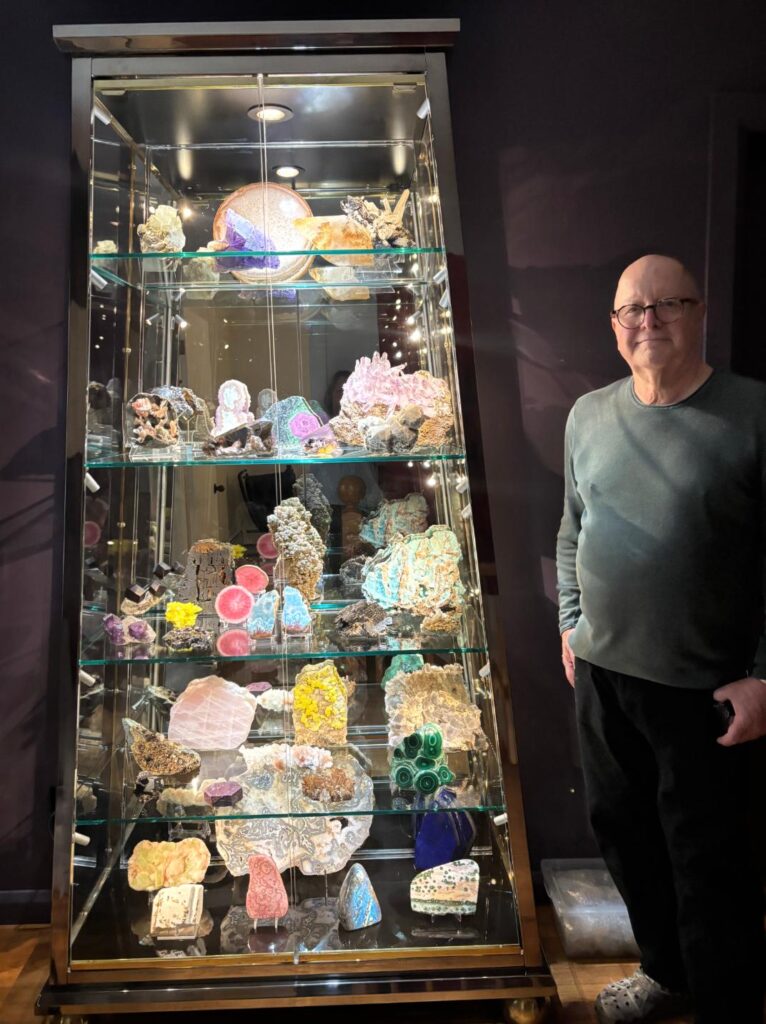
A small 1W or 2W light can do an excellent job in a cabinet if the beam is tight and well aimed. In display cases, controlled light often beats raw power. Too much light can cause harsh reflections. It can hide detail and make products harder to see through glass.
That is why buyers looking at magnetic track light systems should compare beam control, lumen output, and placement freedom—not just the watt number on the spec sheet.
| What Buyers Compare | What They Should Compare Instead |
| Wattage only | Lumens |
| Fixture size only | Beam angle |
| Price only | Output quality over time |
| “Looks bright” | Brightness where the product needs it |
Don’t LEDs Stay Cool By Nature?
No. LEDs create heat. They just handle it differently.
This myth sounds harmless, but it leads buyers to ignore one of the most important parts of fixture quality. Heat in an LED system does not vanish. It moves away from the light source into the housing and heat sink.
If that process is poor, the fixture can lose brightness, shift color, or die sooner than expected. LightrixTech directly addresses this in its thermal-management guidance, noting the importance of engineered cooling in showcase fixtures.

That is why aluminum bodies and proper fixture design matter. Good cooling helps the light stay stable. Poor cooling may not seem like a problem at first. But after months of daily use, its weakness often starts to show.
If your project includes long run times or enclosed cabinets, this matters even more. Buyers choosing Mini LED pole lighting or compact spotlights should check whether the fixture is designed for heat control, not just appearance. LightrixTech’s mini pole spotlight range is a good example of a category where compact size still needs smart engineering.
Is Color Temperature Just A Personal Preference?
Not in display work. It changes how the product looks.
Many buyers choose warm or cool light based on what they like at home. But showcase lighting is not about personal mood alone. It is about how the item appears to the customer. LightrixTech product pages let buyers choose color temperatures from 3000K to 6000K. This shows how much this choice matters in real use.
Warm light makes gold, wood, and other warm finishes look deeper and richer. Neutral light often feels balanced and clean. Cooler light can make modern surfaces feel crisp, but if used poorly, it can also make some products feel too cold or flat.
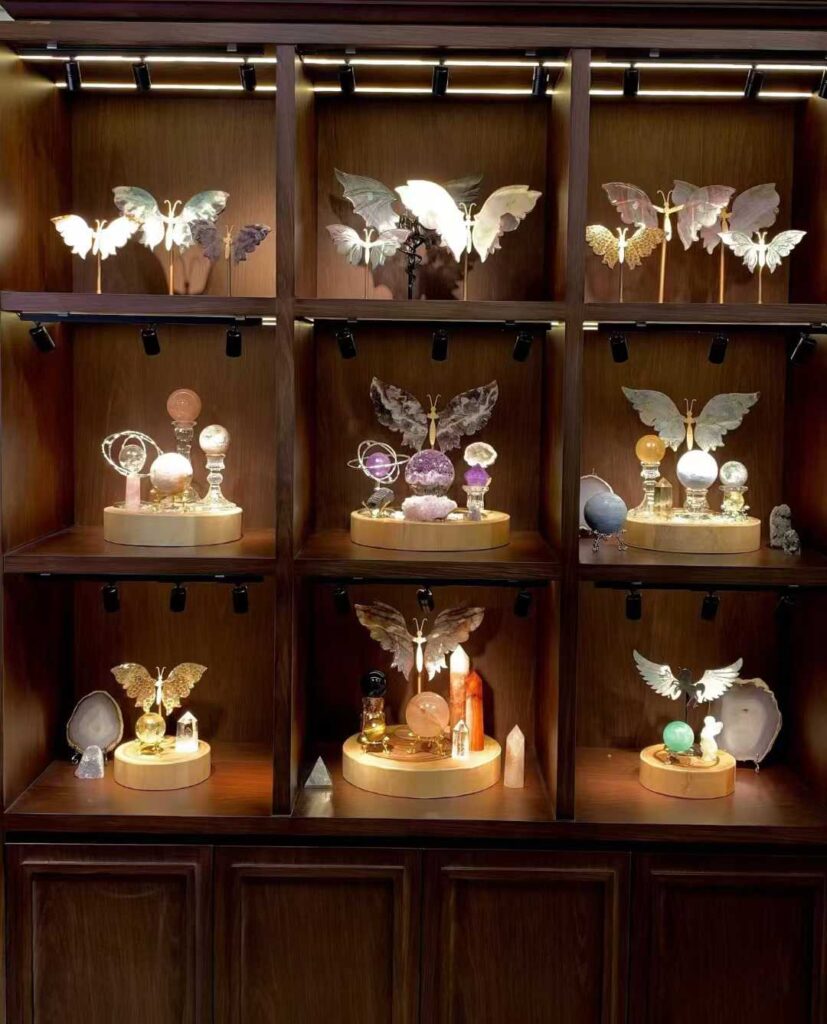
This matters even more in LED jewelry lighting. Gemstones, polished metals, and glass do not look the same under every color temperature. Each one reacts in its own way. Buyers should test the light against the product, not guess based on habit. LightrixTech’s jewelry display lighting guidance is useful here because it ties brightness, angle, and fixture choice to the way jewelry is actually seen.
Once Installed, Is The Job Basically Done?
Not usually. Good lighting often needs adjustment after installation.
This is one of the biggest differences between ordinary lighting and display lighting. In a showcase, products change. Layouts change. Seasons change. Daylight changes. A setup that looked perfect during install may need a small tweak later.
That is why flexible systems matter. A well-designed magnetic track layout lets you move fixtures without major rework. That makes it easier to shift the beam, reduce glare, and refocus attention when the display changes.
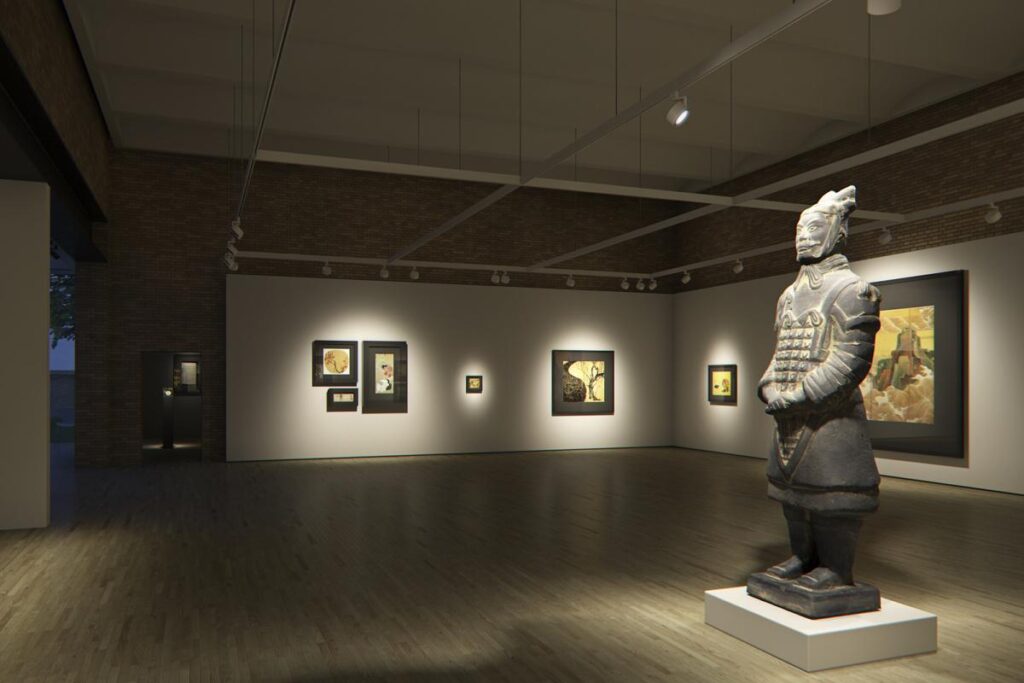
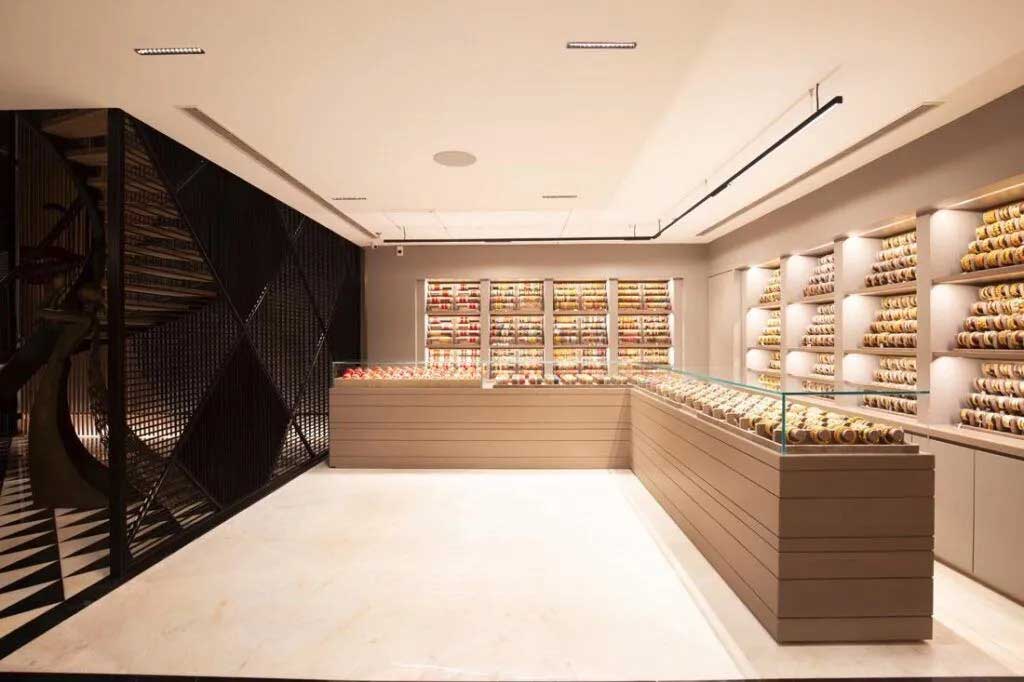
For stores, galleries, and jewelry counters, this kind of flexibility saves time. It also helps the display look fresh. A fixed light can lock you into one look. An adjustable system gives you room to improve the result later.
Can Any Track Fixture Fit Any Track?
No, and this mistake can delay a project fast.
Buyers often assume all tracks work the same way. They do not. LightrixTech’s own comparison between magnetic and traditional systems explains that magnetic track lighting uses low-voltage DC power and magnetic attachment, while traditional track systems use different mechanical and electrical methods.
That means compatibility matters. The wrong match can create install trouble, wasted money, and last-minute redesigns. Before buying, confirm the rail type, voltage, driver needs, and connector fit. This is especially important when planning magnetic showcase track lighting for custom cabinets or premium retail displays.
If flexibility is the goal, it helps to review a planning guide first, such as this magnetic track system guide, before mixing parts from different sources.
Is Brightness The Only Thing That Matters In Showcase Lighting?
No. Brightness is only one piece of the picture.
A display can be bright and still look bad. If the beam is too wide, the product loses focus. If the light causes glare, customers will see reflections. They will miss the details. If the color looks wrong, the item may not seem as premium as it truly is.
Good display lighting needs the right balance. It should be bright enough, well aimed, and clear. It should also feel easy on the eyes. It helps the product stand out without making the fixture the star. That is why Jewelry display showcase lighting needs more thought than simply choosing the brightest option on the shelf.
Conclusion
The biggest lesson is simple: good showcase lighting is never just about “having LED.”
Better results come from making the right choices. Pick the right beam angle. Choose the right color temperature. Use proper cooling and the right track system. Make sure you also have enough flexibility to adjust things later. When buyers miss these details, they often pay twice. They pay once for the first buy, then again to fix the problem later.
If you want your display to look clean and premium, and stay easy to update, start with a system made for that work. LightrixTech’s catalog and guides consistently point back to the same idea: purpose-built lighting gives better control, better presentation, and fewer problems during use.
External Links: