Introduction
China really is the world’s largest base for LED lighting production and exports, with a huge share of global LED lamps and luminaires made there. But when price is the only filter, good projects can run into color mismatch, poor thermal design, weak documentation, and painful after-sales issues.
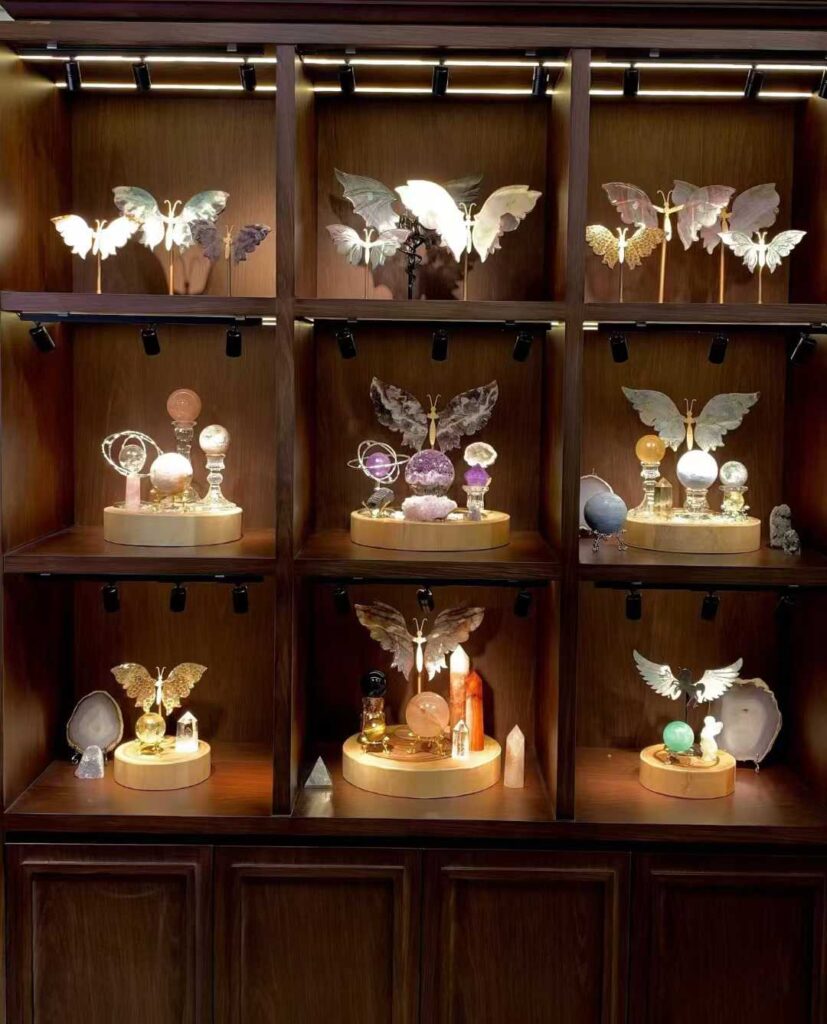
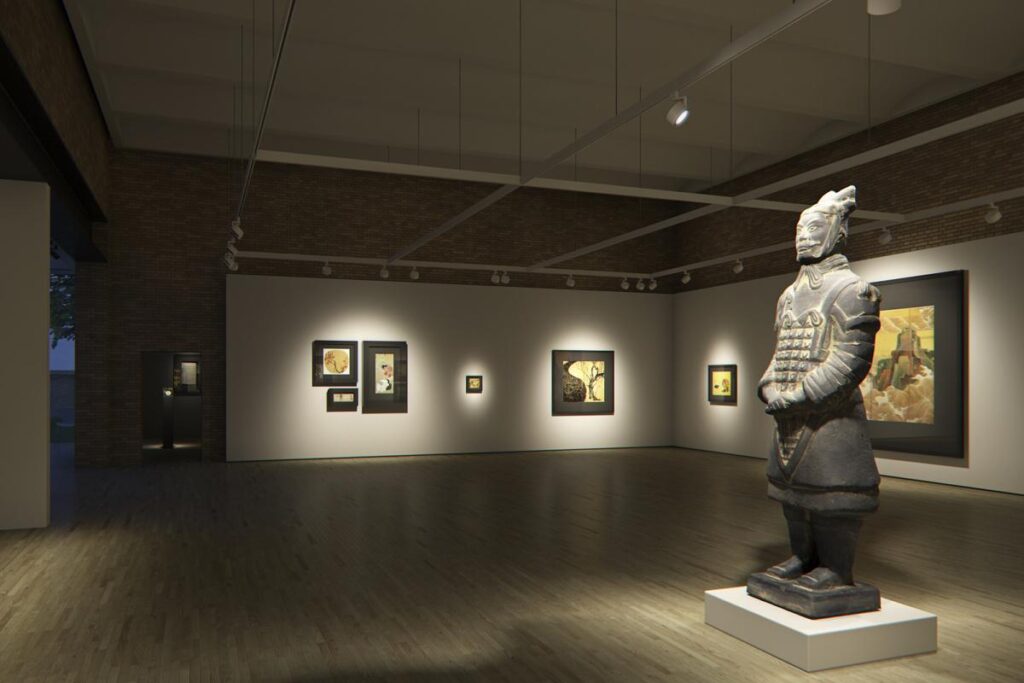
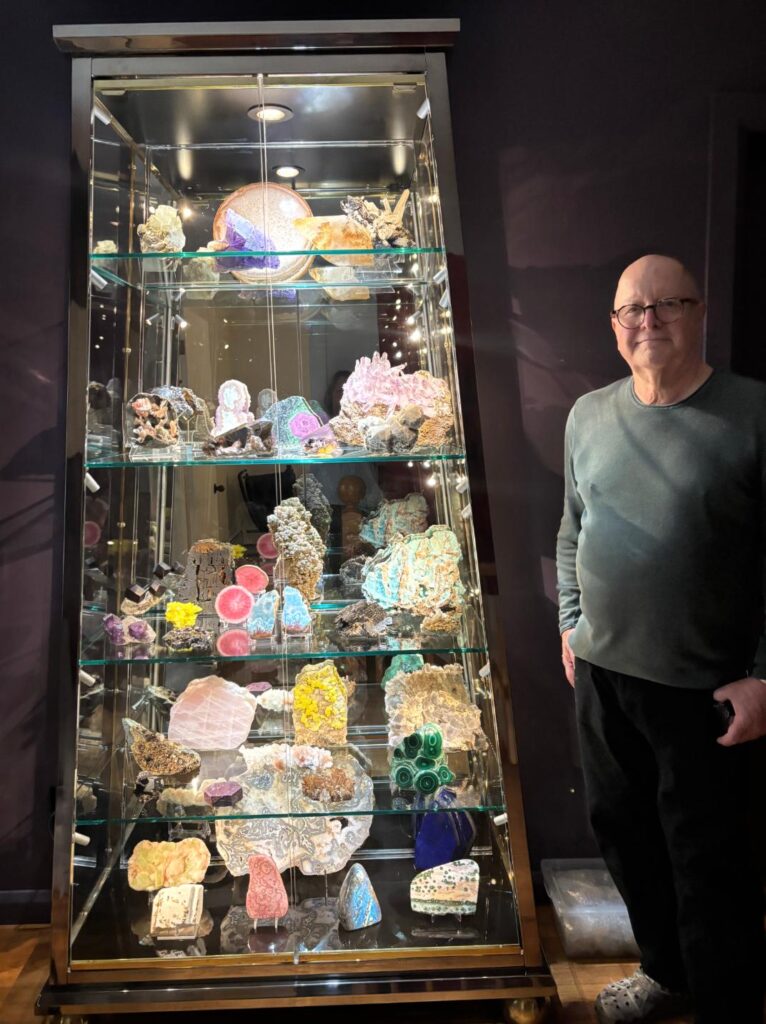
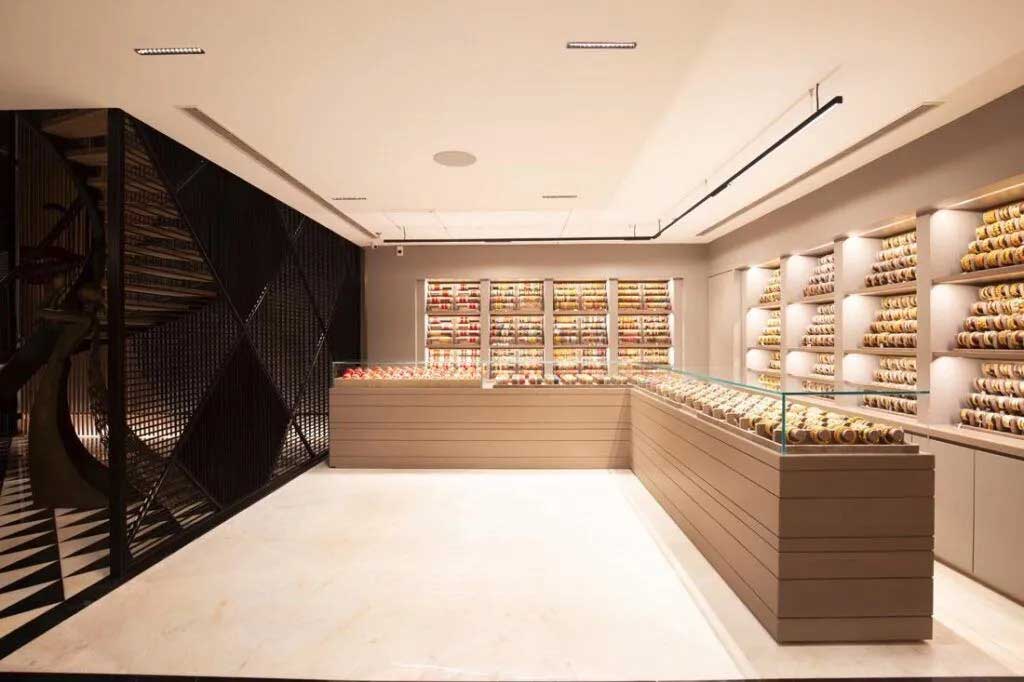
At LightrixTech, we work with retailers, museum teams, and brand owners who need consistent LED showcase lighting, magnetic track lighting, and compact fixtures for high-value displays. Many of them arrive after a bad OEM experience that could have been avoided with clearer expectations.
Why Do Many Buyers Think All Chinese OEM Track Lighting Is The Same?
Are you comparing suppliers only by wattage, size, and price, and assuming the light output will be identical? On a spreadsheet, many Chinese OEM offers do look the same.
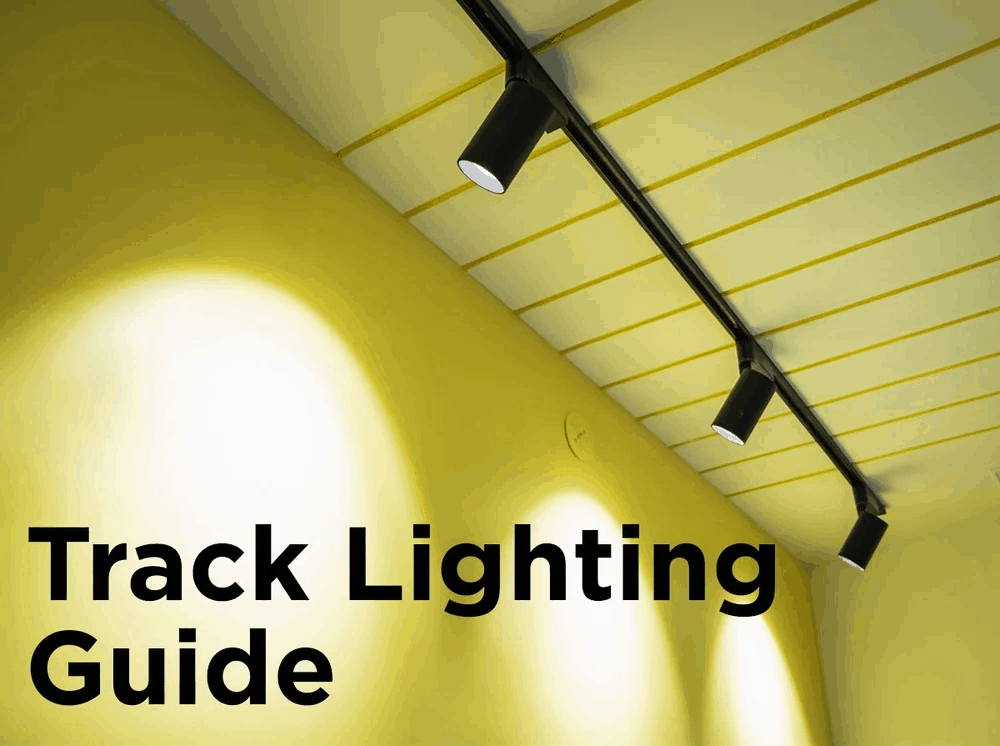
In real life, factories differ a lot. They design, test, and control light in many ways. China leads the world in LED production, but quality is not the same everywhere. It changes a lot from factory to factory.
A serious OEM partner will:
- Design optics for real displays, not just lumen numbers
- Control color temperature and CRI across batches
- Tune fixtures for museum, retail, or jewelry showcase lighting, not just “one light for everything”
LightrixTech, for example, builds track heads and magnetic showcase track lighting specifically for display cabinets, so the same beam that looks perfect on your sample stays consistent when you roll out to 50 stores or a full museum hall.
“Same Spec” On Paper vs. Real-World Difference
| What You Compare On The Quote | What Actually Changes In Real Use | Why It Matters For Your Project |
| Wattage (e.g., 10 W) | Real lumen output and beam shape | Two “10 W” lights can feel very different on products |
| CCT (e.g., 3000 K) | Color drift between batches | One batch looks warm, the next batch looks cooler |
| CRI (e.g., CRI 90) | R9 / skin-tone and gemstone rendering | Jewelry, food, and fabrics lose “sparkle” or richness |
| Housing size only | Thermal design and heat path | Poor thermal design shortens LED and driver lifespan |
| “Aluminum body” | Alloy grade and thickness | Impacts heat, weight, and mechanical stability |
Buyer tip: “10 W, 3000 K, CRI 90” is your starting point. Not the final answer. Ask for photometric files and test reports. Ask for real installation photos. For deeper context, you can also review our guide on Magnetic Track Lighting vs. Traditional Track Lighting.
Does “Chinese OEM” Always Mean Cheap Materials And Low Quality?
Do you assume that a lower factory price must mean “thin aluminum, no-name LEDs, and a weak driver”? That is true for some factories, but not all.
China’s strength in lighting comes from a complete supply chain: LED chips, optics, drivers, and housings are all available in one ecosystem. Good OEMs use this to combine brand-name components with efficient production — not to cut every corner.
At LightrixTech, many magnetic track light and mini spotlight products use high-quality LED packages and well-designed aluminum bodies, tuned for heat management in compact display heads. That matters a lot in closed showcases where poor thermal design can cook drivers and shift color over time.
“Cheap Bill Of Materials” vs. “Smart Bill Of Materials”
| Area | Low-Cost / Risky Choice | Smart OEM Choice | Effect On LED Showcase Lighting |
| LED chip | Unknown brand, wide bin | Reputable chip with tight binning | More stable color, higher consistency |
| Driver | Unbranded, no safety marks | Driver with proper certification & protection | Fewer flicker and failure complaints |
| Housing | Thin, rough aluminum or mixed metals | Proper alloy, enough mass for cooling | Longer life in closed showcases |
| Lens / optic | Basic plastic, no real beam control | Designed optics tuned for track / cabinet use | Cleaner beams, less glare and spill |
| Cable & joints | Lowest-cost wiring and connectors | Rated cables, solid connectors | Safer installation and fewer callbacks |
Why Do Samples Look Perfect But Large Orders Sometimes Feel Different?
Have you ever loved a sample, only to receive a batch where the whites look slightly off or some heads flicker on dimming? We hear this a lot. Our overseas buyers find it very frustrating.
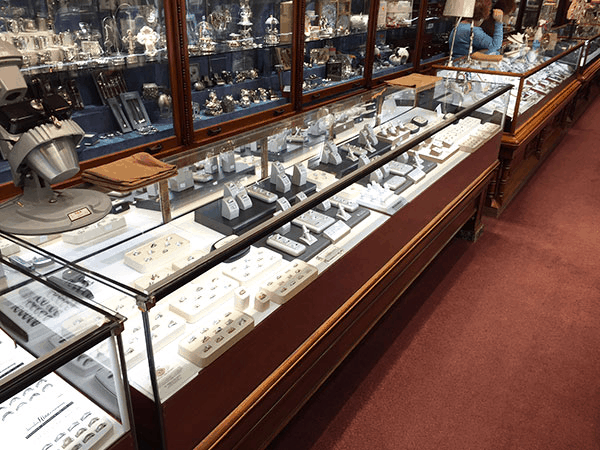

The sample you test is often made with extra care. The real test is how the factory controls quality at scale — 200, 500, or 2,000 pieces. Studies on LED adoption show that LED products can vary widely in performance even within the same basic spec if they aren’t carefully controlled.
A reliable OEM will standardize:
- CCT and CRI bins across the full batch
- Driver model and settings
- Torque and assembly steps
- Burn-in and aging time
LightrixTech uses incoming inspections, batch testing, and thermal aging on LED showcase lighting lines so that the fifth batch of lights still looks like the first one you installed.
What To Confirm Before Approving Mass Production
| Checkpoint | What To Ask Your OEM For | Why It Protects Your Project |
| LED & driver “lock” | Confirm fixed models for full order | Avoids silent swaps that change color or dimming |
| Batch CCT & CRI test | Request CCT / CRI test summary for random samples | Keeps color temperature and color quality in line |
| Aging / burn-in process | Ask how long fixtures are powered before packing | Filters out early failures before shipping |
| Dimming & driver settings | Test with your exact dimmer / control system | Reduces flicker and compatibility issues |
| Packaging and labels | Check labels, batch codes, and QC stickers | Helps trace any issue back to a specific batch |
Is Customizing Track Lighting With Chinese OEMs Really Slow And Risky?
Do you worry that asking for custom beam angles, finishes, or mounting options will delay your project by months? That is another common misunderstanding.
Well-organized OEMs already have tooling, extrusion profiles, and optical families ready. That means many “custom” items are actually configurations built on proven platforms — for example, turning an existing magnetic track lighting family into a special color temperature or adding a mini LED pole lighting head for a jewelry tower.
The slow part usually isn’t the factory. It’s unclear specifications, late decisions, and back-and-forth corrections.
Will After-Sales Support Disappear Once The Shipment Leaves China?
Are you worried that when the container leaves, you’ll be all alone? What if something breaks on site? Your fear is valid. It does not have to stay.
At LightrixTech, support for LED showcase lighting and jewelry lighting includes wiring diagrams and driver specs. We provide troubleshooting steps and replacement modules that match batches.
What Good After-Sales Support Looks Like
| Area | Minimum You Should Expect | How It Helps Your Team |
| Documentation | Datasheets, wiring diagrams, mounting guides | Faster installs, fewer wiring mistakes |
| Spare parts | Drivers, LED modules, track accessories | Fix issues without replacing whole systems |
| Response time | Clear contact and typical reply timeframe | Keeps projects moving during handover |
| Warranty terms | Written coverage, exclusions, and process | Avoids disputes when something fails |
| Maintenance guidance | Simple cleaning, aiming, and usage tips | Extends life of lights inside showcases |
Do Chinese Factories Care About Project Success Or Just The Purchase Order?
Have you ever felt that a supplier only talks actively before payment — and becomes silent once the order is confirmed? That can happen, especially when a factory is used to small resale orders, not project business.
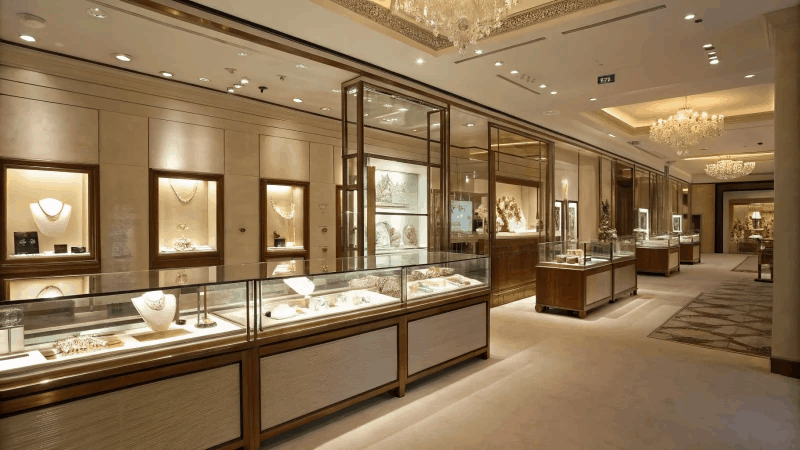
But a lot of Chinese OEMs now work mainly with projects: retail rollouts, museum upgrades, branded jewelry display showcase lighting, and whole chains of stores. For these projects, success is measured in how the space looks and performs, not just how many cartons left the dock.
Can Chinese OEM Track Lighting Meet International Standards And Certifications?
Are you worried that a Chinese OEM cannot meet CE, RoHS, or North American requirements? This is another area where perception and reality can be very different.
Skilled factories in China design products to meet CE, RoHS, and other global standards. Many also team up with UL or ETL partners. Global data shows that China is now a major exporter of LED lighting products worldwide. This growth depends on high volumes that meet international safety and performance standards.
Conclusion
The global LED market is still growing fast today. More projects now use efficient lighting, and China stays at the center of this growth. That’s good news for buyers — but only if you look beyond the lowest unit price.
Lighting is not a simple commodity. It shapes product looks and customer feelings too. It affects how long your investment lasts. LightrixTech offers fair prices and steady performance, backed by careful design work. Their support stays with your project from the first sketch to daily, real-world use.
External Links:
- https://www.sciencedirect.com/topics/physics-and-astronomy/thermal-design
- https://en.wikipedia.org/wiki/Original_equipment_manufacturer
- https://europa.eu/youreurope/business/product-requirements/labels-markings/ce-marking/index_en.htm
- https://en.wikipedia.org/wiki/RoHS
- https://en.wikipedia.org/wiki/Color_rendering_index