
Introduction
Museum lighting has changed a lot in the last ten years. Many museums now use high-CRI LED lights to protect artifacts and show true colors. They also make the space look clean and beautiful.
For luxury stores, jewelry shops, and high-end showrooms, this change is more than a trend. It is a clear guide for showing products in an honest and emotionally true way.
Why Do Museums Prioritize Preservation When Choosing LED Lighting?
Museums guard art. They guard history. When they pick the lights, they ask one thing. Will this light harm or ruin what we want to save? Many old lights gave off heat and UV rays. They slowly faded colors and weakened fragile materials.
Today, LEDs help. They fix most problems. They stay cool and give off almost no UV. Curators can protect sensitive art and still keep beauty.
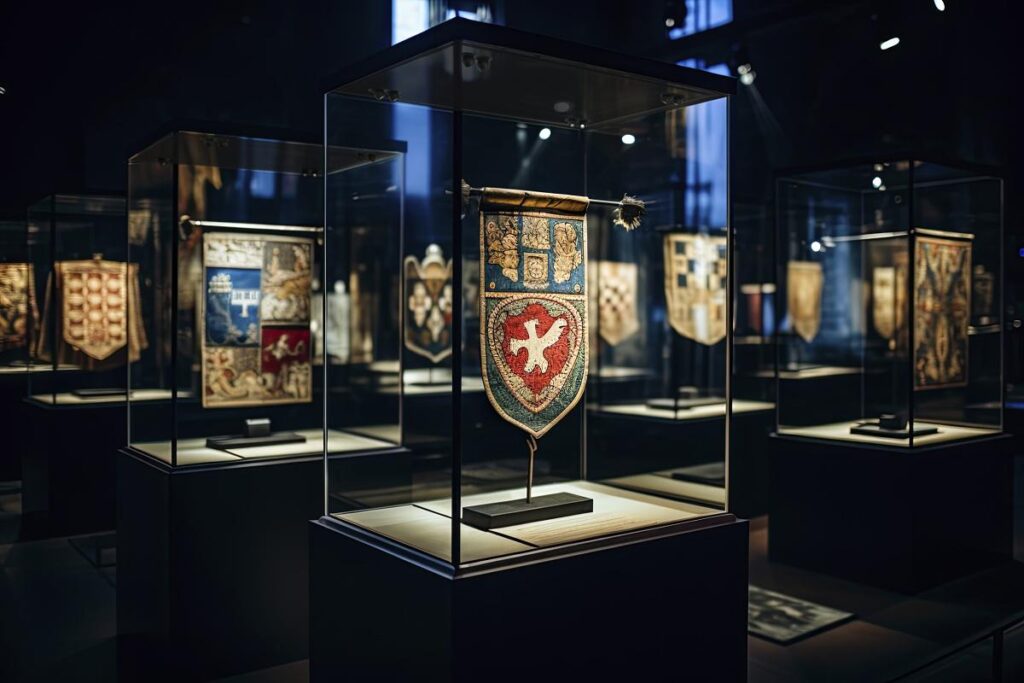
LEDs help museums keep the air and light steady. This protects delicate textiles, paintings, wood, and ancient objects. We control the temperature and UV light. This helps artifacts last longer.
How LED Lighting Protects Exhibits
Below is a simple comparison:
| Lighting Type | Heat Output | UV Radiation | Impact on Artifacts |
| Halogen | High | High | Can fade, weaken, or warp artifacts |
| Fluorescent | Medium | Medium | Possible long-term color fading |
| LED | Low | Very low | Safest for sensitive displays |
With LEDs, museums also save energy and reduce maintenance costs. The fixtures last long, run cool, and help maintain environmental control — a major win for conservation teams.
Why Is High-CRI Lighting Key For Seeing Real, True Colors?
People looking at art or old objects want true colors. They do not want fake shades. That’s why museums choose high-CRI LEDs. They often use CRI 90+ or even CRI 95+. CRI means Color Rendering Index. It shows how well a light makes colors look like daylight.
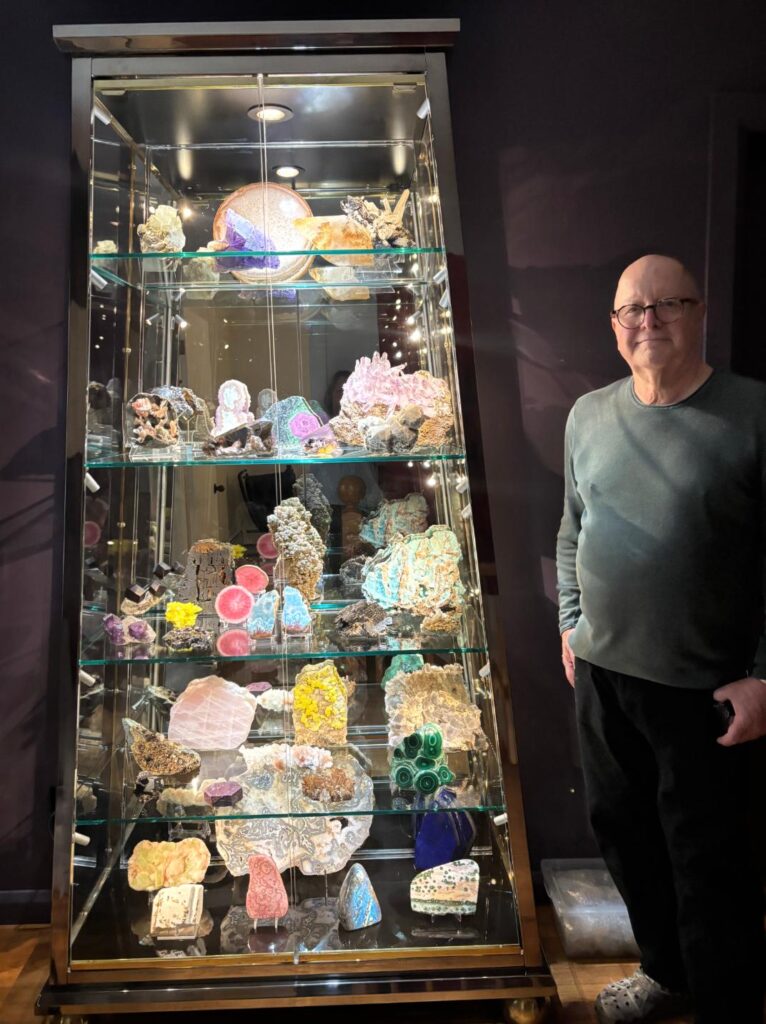
High-CRI light really helps. It makes colors in paintings, fabrics, gemstones, and old dyes look true. Curators rely on this accuracy to present each item as the artist or creator intended. Photographers and archivists also depend on it for documentation.
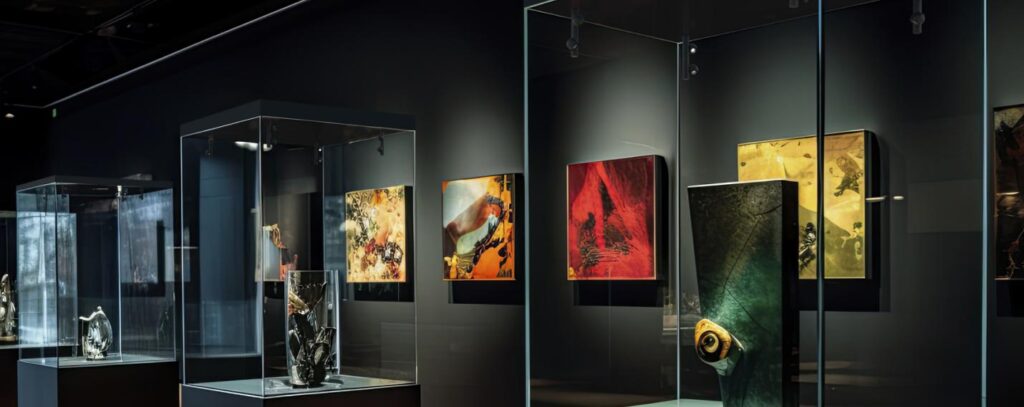
At Chiswear, our LED showcase lighting and jewelry display showcase lighting are designed to reach Ra95+, matching the color fidelity standards of top museums.
Where High CRI Matters Most
| Application | Why High CRI Is Critical |
| Paintings | Shows subtle tonal changes and brushwork details |
| Textiles | Displays original dye accuracy and fabric texture |
| Jewelry & Gems | Reveals true sparkle, clarity, and color depth |
| Documentation | Ensures accurate digital archiving |
In retail, this same color accuracy builds trust. When customers see products in bright light, they feel sure. They are calm about choice.
How Do Museums Use Careful Lighting To Guide The Viewer’s Eye?
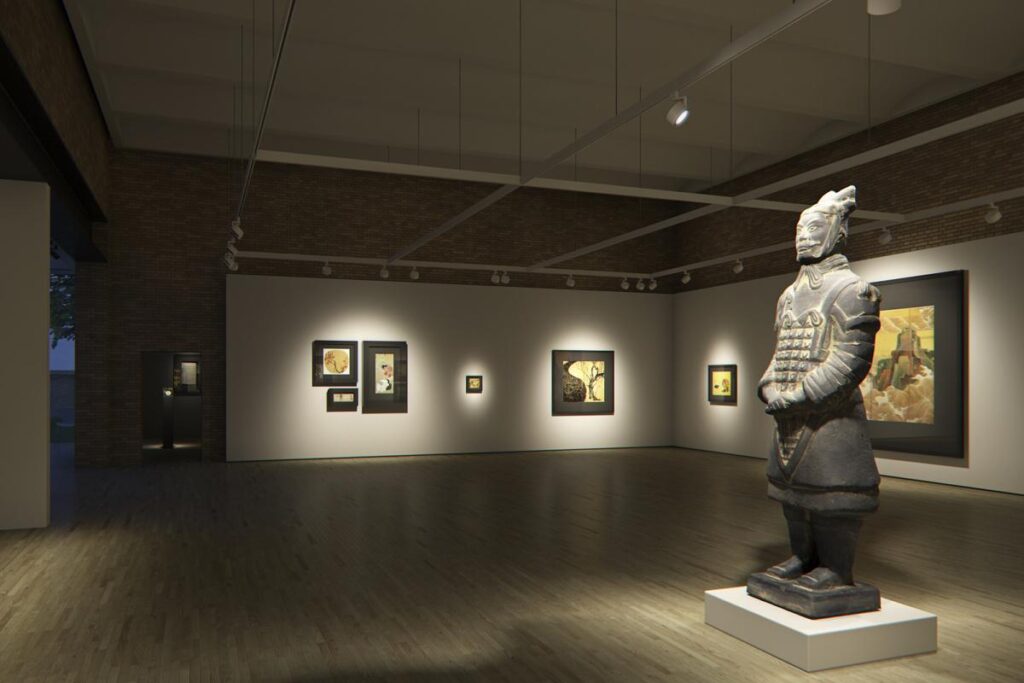
Museums change their lighting styles. Museums change their lighting styles. Some pieces need a spotlight. Others need a soft wash of light. Events and rotating exhibitions often require quick, precise changes.
This is where modern LED track systems excel. Adjustable beam angles, dimmability, and tunable color temperature give curators creative freedom.
Chiswear offers zoomable magnetic track light and mini LED pole lighting that allow fine control — just like museum professionals need. For example, our adjustable 10°–60° zoom lets curators highlight focal points without flooding a whole wall.
Common Precision Lighting Features
| Feature | Benefit |
| Adjustable Beam Angle | Focus or widen light exactly as needed |
| Dimming | Smooth control for different moods or events |
| Tunable CCT | Matches exhibition themes or material requirements |
| Track Flexibility | Move fixtures without rewiring |
These tools help museums create an atmosphere that draws attention to the object — not the light itself. Retail can achieve the same effect to spotlight hero products or premium collections.
Why Do Museums Pick LEDs To Save Energy And Cut Long-Term Costs?
Museums love art. They also have to watch their budgets carefully. LED lights can save a lot of money. They use less power and last longer. Hundreds of lights run every day. That small difference adds up.
Many museums that switch to LED see lower HVAC workload too, because LEDs release less heat.
LEDs need fewer bulb changes. This saves staff time in tall galleries where each change is hard and costly.
Energy Efficiency Comparison
| Lighting Type | Typical Lifespan | Energy Efficiency | Maintenance Cost |
| Halogen | 2,000 hours | Low | High |
| Fluorescent | 8,000 hours | Medium | Medium |
| LED | 25,000–50,000+ hours | High | Low |
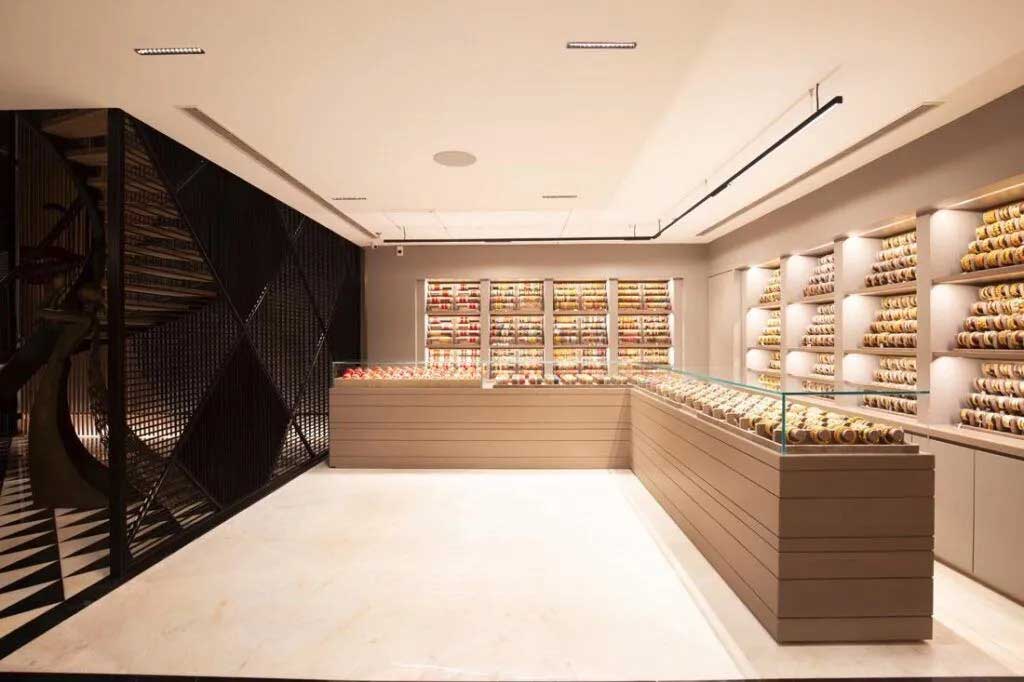
For retailers, this means lower costs over time. A good magnetic showcase track light lasts years longer than a cheap one. It cuts long-term costs and makes your brand look stronger.
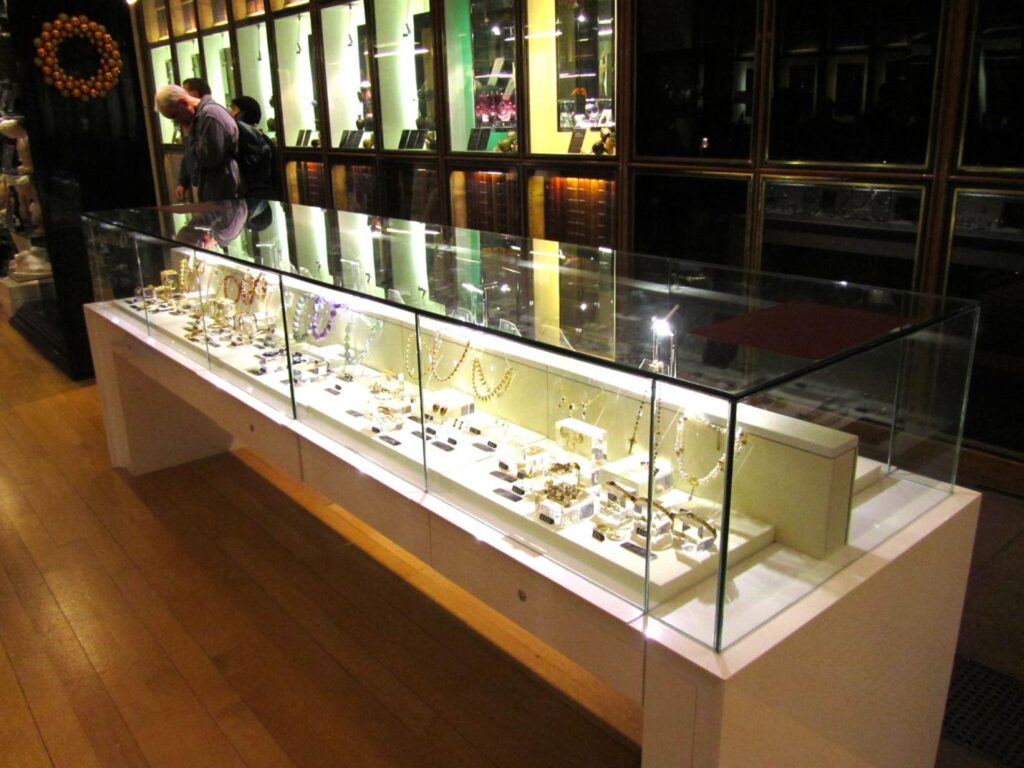
How Does High-CRI Lighting Help Build Trust Inside Retail Stores?
When lighting is accurate, customers trust what they see. This trust is subtle — it comes from honest color, clear texture, and natural sparkle. Museums depend on this accuracy to represent artifacts truthfully. Retail can use the same principle to build confidence.
Under high-CRI lighting:
- Gems show true fire and brilliance
- Fabrics reveal real tone and weave
- Premium products look expensive, not washed out
- Brand colors stay consistent across displays
This really matters for items like jewelry, makeup, leather bags, and fine fabrics.
Retail Benefits of High-CRI Lighting
| Retail Category | Lighting Effect |
| Jewelry & Gems | Enhances sparkle and clarity under LED jewelry lighting |
| Fashion & Textiles | Shows true fabric colors and textures |
| Luxury Goods | Matches brand identity with premium presentation |
| Specialty Displays | Reduces customer returns caused by color mismatch |
When light feels honest, customers feel more confident — and more likely to buy.
What Can Retail Learn From Museum Lighting Design?
Museums focus on storytelling and presentation. Every beam of light has a purpose. Retail environments can take direct lessons from this approach to elevate their own displays.
Here are four major lessons:
1. Prioritize High CRI
Don’t compromise on color accuracy. High-CRI lighting reveals the real beauty of products and aligns with luxury branding.
2. Use Controllable Optics
Just like museums adjust lighting for each exhibit, retailers should use:
- Zoomable optics
- Adjustable beams
- Dimming control
- Tunable color temperature
These make product displays more dynamic.
3. Think Long-Term
Efficient LED systems — especially magnetic track lighting and mini showcase track lighting — last far longer and reduce total cost of ownership.
4. Use Lighting as Storytelling
Museums light key artworks to guide attention. Retail brands can use this strategy. It highlights hero products, new releases, and premium areas.
Conclusion
Museums and shops want the same thing. They aim to show each item clearly, honestly, and beautifully. Museums use LED lights to protect history. They show true colors. Retailers can use the same lighting standards to strengthen brand appeal, boost visual impact, and create emotional connections with customers.
At Chiswear, we build lighting systems inspired by museum-level precision — from magnetic track light solutions to LED showcase lighting engineered for Ra95+ performance. If you want to transform your boutique or showroom with museum-grade lighting, our team can help you design a system that blends beauty, control, efficiency, and craftsmanship.
External Links:

3 Responses