Introduction
When buyers compare lighting suppliers, the first thing many notice is factory size. A bigger factory can look safer. It may suggest more machines, more workers, and faster output. But in real projects, that is not what decides success.
For magnetic track lighting, LED showcase lighting, and custom display systems, the bigger issue is how well the supplier communicates. A large plant can still ship the wrong beam angle, miss a finish detail, or misunderstand an installation need. A smaller but attentive team can avoid those mistakes because they ask better questions and confirms details early.
That is why strong communication often matters more than square meters, machine count, or production line length. In display lighting, the project wins when the supplier understands the goal, responds fast, and solves problems before they grow.

Why Are Lighting Projects More Than Just A Production Job?
Lighting for displays is not like ordering plain hardware in bulk. It is not only about making enough pieces. It is about making the right pieces work in the right space.
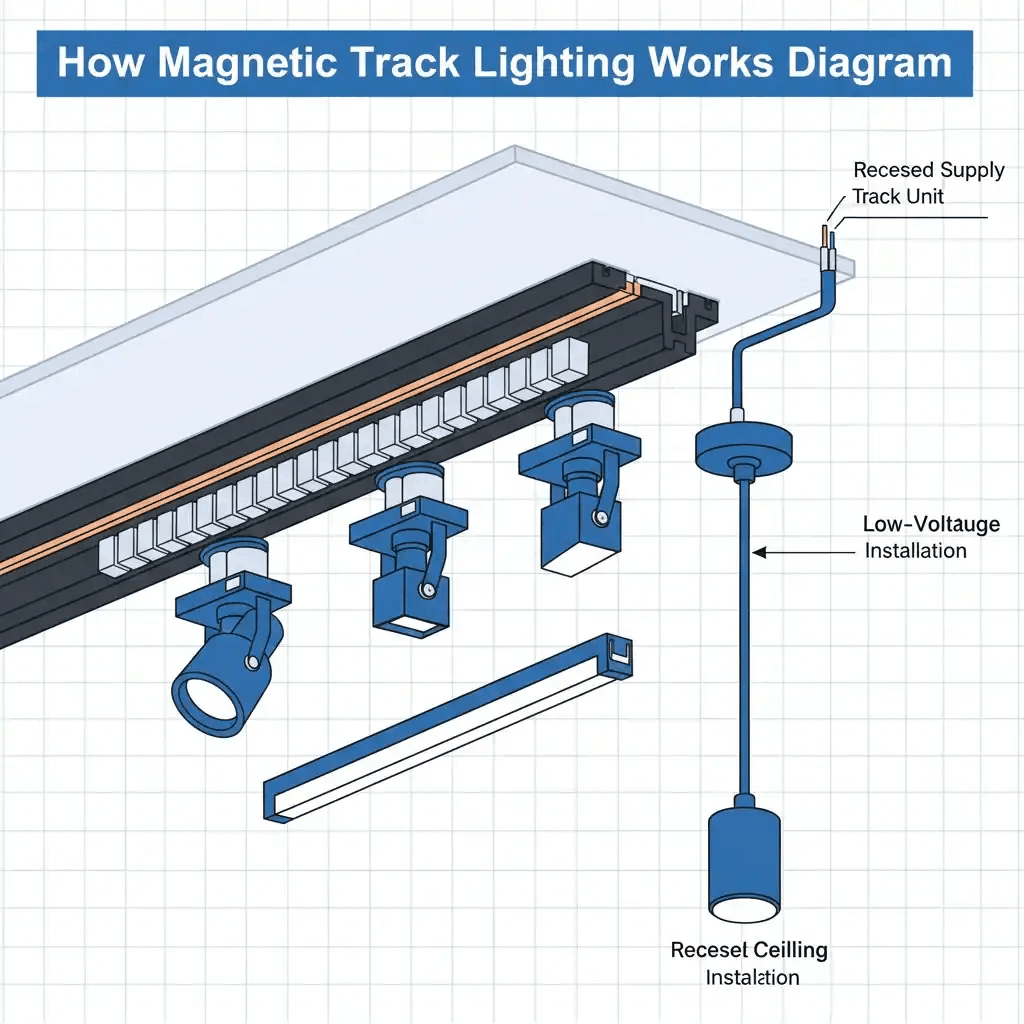
This is why projects using a magnetic track light system need discussion from the start. The track layout, fixture movement, the beam spread, power setup, and aiming flexibility all affect the final result. LightrixTech’s own product guide shows that flexible repositioning is one of the main strengths of this system, which makes planning and back-and-forth even more important.
| Project Need | Why Communication Matters |
| Beam angle | The wrong angle can create glare or dark spots |
| Mounting method | A poor match can make installation harder |
| Power and controls | Missing details can cause dimming or compatibility issues |
| Display type | Jewelry, museum items, and retail goods need different lighting behavior |
How Does Good Communication Improve Customization?
Customization is where weak communication shows up first. Buyers often ask for custom options. They may want a special color temperatures or a specific finish color. Some request a certain driver. Others need an exact size. Those changes may sound simple. But they’re easy to mess up when a supplier guesses instead of asking questions first.
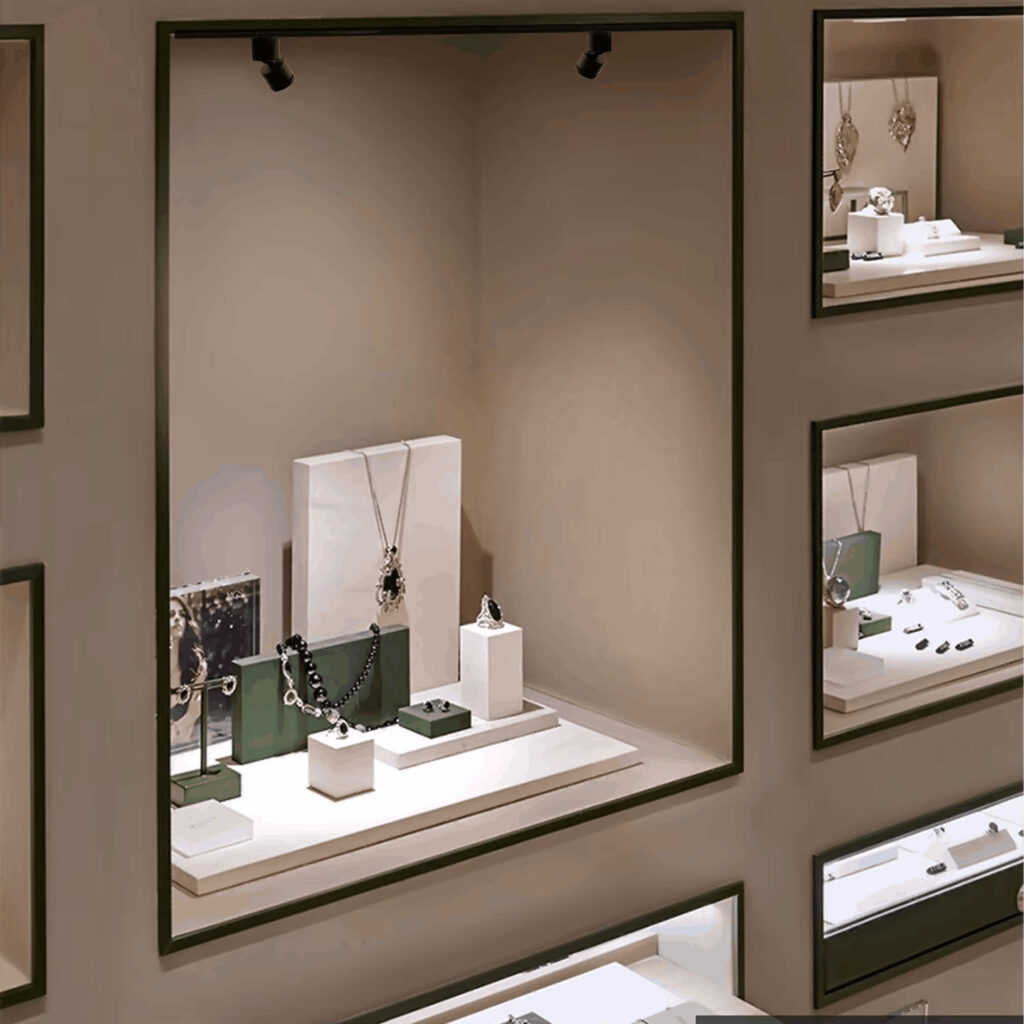
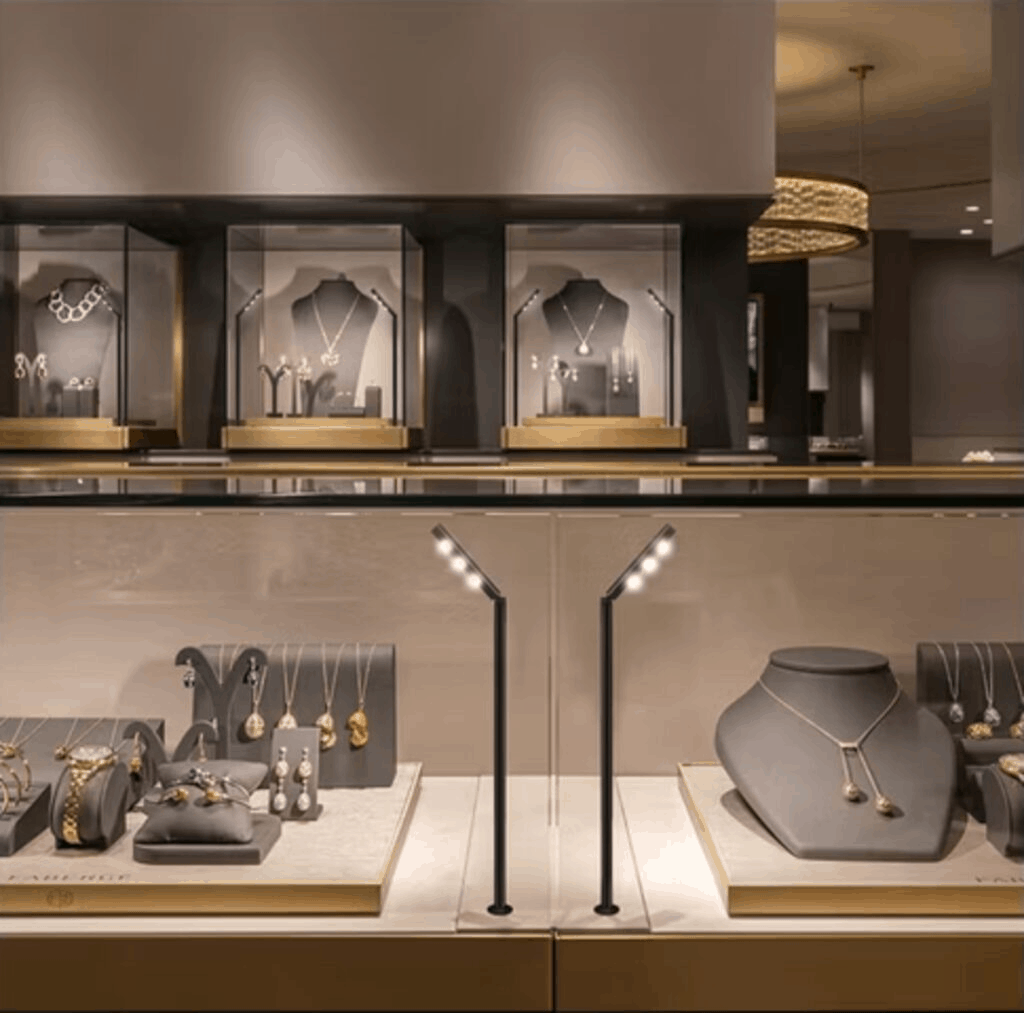
For instance, if a buyer wants lighting for a jewelry showcase, the supplier should ask a few clear questions. What material will be on display? Is it shiny or dull? And how close will the light be to the product? Gold, silver, gemstones, and watches don’t all look the same under light. Each one reacts in its own way. LightrixTech’s jewelry lighting guide also stress that color, brightness, and beam angle all shape how the display looks.
The same is true for Mini magnetic showcase track lighting. Small fixtures are often the best choice. The display space is tight. If the supplier does not ask about cabinet depth, shelf spacing, or heat limits, the customer may end up with the wrong fixture. It may not fit well, and the light may land in the wrong spot.
Good communication helps a supplier confirm:
- the exact installation scene,
- the wanted color effect,
- whether dimming is needed,
- and what “good performance” really means for that project.
That kind of back-and-forth saves time because the product is shaped around the real need, not a rough guess.

Why Does Fast Communication Save Time And Money?
Every project changes. A sample may need revision. A finish may be out of stock. A control spec may shift. This is normal. The real test is how quickly the supplier responds when something changes.
Slow replies create delay in three places. First, the buyer waits longer to make decisions. Second, production may continue with the wrong assumption. Third, small issues turn into rework, which costs more than fixing them early.
In display lighting, even a small change can affect the whole setup. If a beam angle changes, it may alter product visibility. If a driver changes, it may affect dimming. If a track size changes, the installer may need to redo the layout.
| Communication Problem | Real Project Cost |
| Slow sample feedback | Longer launch time |
| Unclear spec approval | Wrong production run |
| Late update on parts | Missed delivery window |
| No clear technical answer | More installer confusion on site |
A supplier does not need to be the biggest to handle changes well. It needs a team that answers clearly and acts quickly.
How Does Communication Affect Product Quality?
Many buyers assume quality starts on the production line. In truth, quality starts much earlier. It begins when both sides agree on what “good” means.
If the supplier does not clearly understand the target brightness, acceptable color variation, beam shape, finish standard, or testing method, the final product may still miss the mark, even if it is made in a clean and modern factory.
This matters a lot for LED jewelry lighting and Jewelry display showcase lighting, where the smallest flaw can hurt the visual effect. A fixture can be bright enough and still look wrong. This can happen when the color looks off. It can also happen when the beam makes harsh glare on glass or metal.
When communication is strong, quality checks become clearer. The supplier knows what to test. The buyer knows what to review. Both sides are working toward the same result.
Why Is Communication So Important For Compliance And Installation?
A fixture may look great in a sample room but still cause trouble during export or installation. That is why communication must also cover documents, standards, and on-site use.
A good supplier should ask two simple things. They should ask where you will sell the product. They should also ask how you plan to install it. Different markets often ask for different things.
One may need new labels. Another may want extra reports. Some also require specific electrical details. Different projects may need different mounting styles, power systems, or cable plans.
For magnetic track systems and compact display fixtures, this is especially important because the lighting often works inside cabinets, counters, or tight retail spaces. That means heat, wiring, and access all matter.
If these details are not discussed early, the buyer may face delays at installation or trouble bringing the product into market. A factory’s size does not fix that. Clear project communication does.
Does Factory Size Really Prove Project Experience?
Not always. A large factory may be excellent at high-volume production, but that does not mean it understands niche display lighting projects.
Project experience shows up in different ways. It shows in the questions the supplier asks. It shows in how they explain options. It shows in whether they can help the buyer avoid mistakes before production starts.

What Should Buyers Look For When Choosing A Lighting Supplier?
Buyers should still care about capacity. Delivery matters. Stability matters. But those should not be the only filters.
The better supplier is often the one that:
- asks clear technical questions,
- confirms details in writing,
- responds quickly to change,
- explains risks early,
- and supports the buyer from design to installation.
Conclusion
In track and showcase lighting, factory size can support production, but it does not guarantee project success. Communication does.
For buyers sourcing magnetic track lighting, LED showcase lighting, and custom display solutions, the smartest move is to choose a supplier that listens well, replies fast, and works with you closely from start to finish. That is often worth more than the biggest building on the brochure.
External Links: