Introduction
In the past, lighting was judged by one basic test: did the lights turn on, and were the fixtures installed right?
Today, that’s not enough—especially in retail, museums, and premium showcases. Now the real question is: what does the space feel like when the lights come on?
This is why modern track lighting is no longer just about products. It’s about perception, atmosphere, and building a system that can adapt as the display changes.

Why Has Lighting Stopped Being “Just Fixtures”?
If you’ve ever walked into a luxury store and felt like the products looked “expensive” before you even touched them, lighting is doing that work.
Modern lighting design has shifted because people don’t only look—they react. Lighting can make items feel:
- more premium
- more detailed
- more “worth stopping for”
So the goal is no longer “bright enough.” The goal is designed experience—and systems like magnetic track lighting are built for that.
Simple way to think about it:
Fixtures are what you install. Experiences are what people remember.
| Old Way (Fixture Thinking) | New Way (Experience Thinking) |
| “Is the spotlight working?” | “Does this display feel premium?” |
| One light = one purpose | One system = many moods |
| Fixed layout | Flexible layout |
| Brightness-first | Perception-first |
| Replace lights to change results | Reposition/adjust to change results |
How Did We Move From Objects To Systems?
Traditional lighting treated fixtures like separate tools:
A spotlight here.
A downlight there.
A cabinet light somewhere else.
Each one did a job, but they didn’t always work together as one story.
Modern track lighting (especially for showcases) is more like a toolbox system:
- the track becomes the “infrastructure”
- the heads become “interchangeable tools”
- the driver and control become “the brain”
This is why magnetic track systems are popular in display projects. You can swap or move heads without tearing things apart.
LightrixTech breaks this down well in their comparison guide.
What Does “Experience-Driven Lighting” Really Mean?
In showcase spaces, lighting is not only about visibility. It’s about how the product feels.
A few examples are easy to picture:
- A narrow beam can feel exclusive, like “this item is special.”
- A soft flood can feel open, like “come closer and browse.”
- A high color-quality light helps materials look true, not dull or fake.
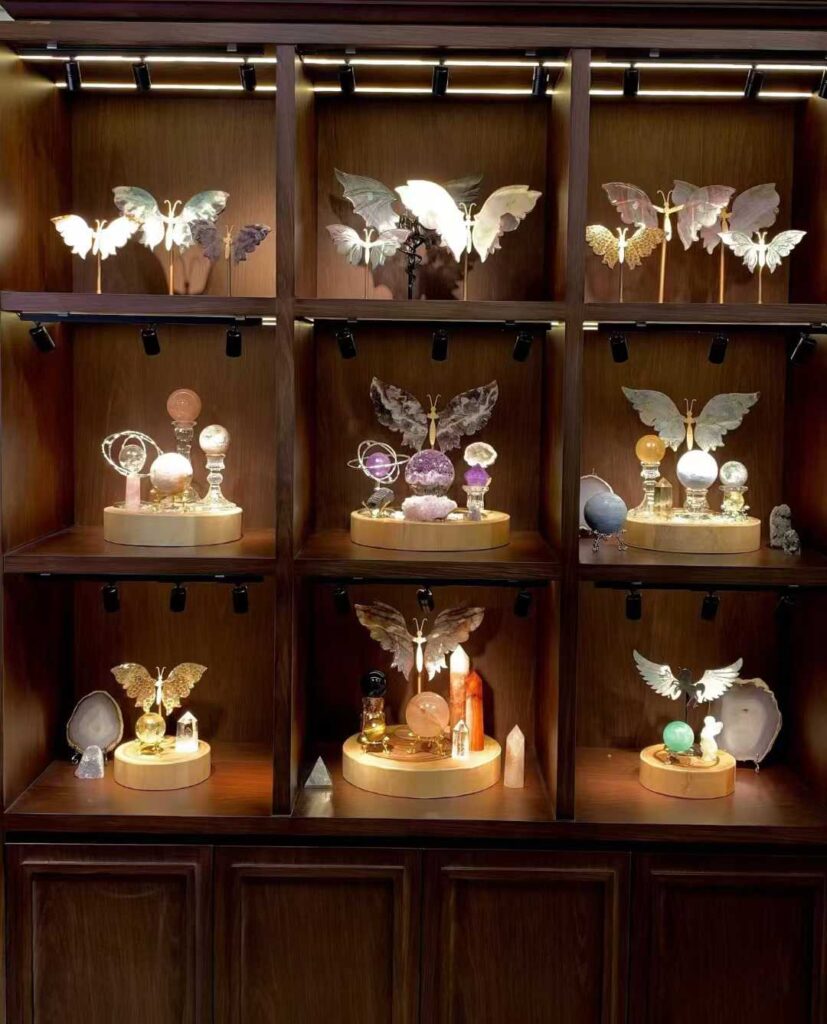
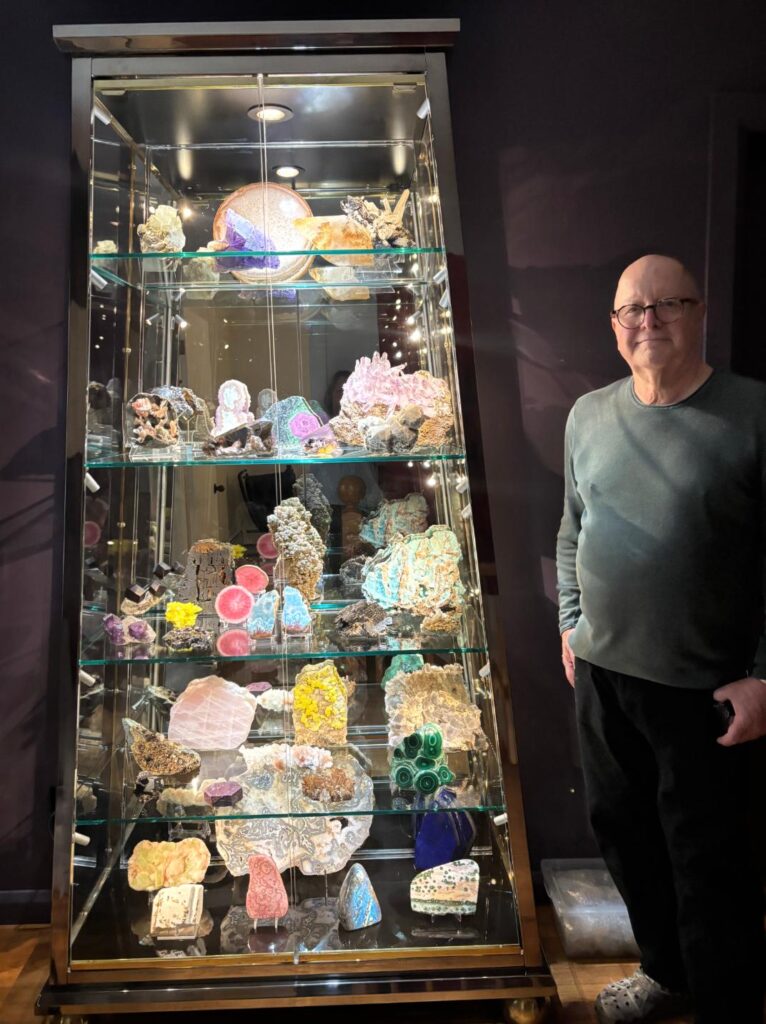
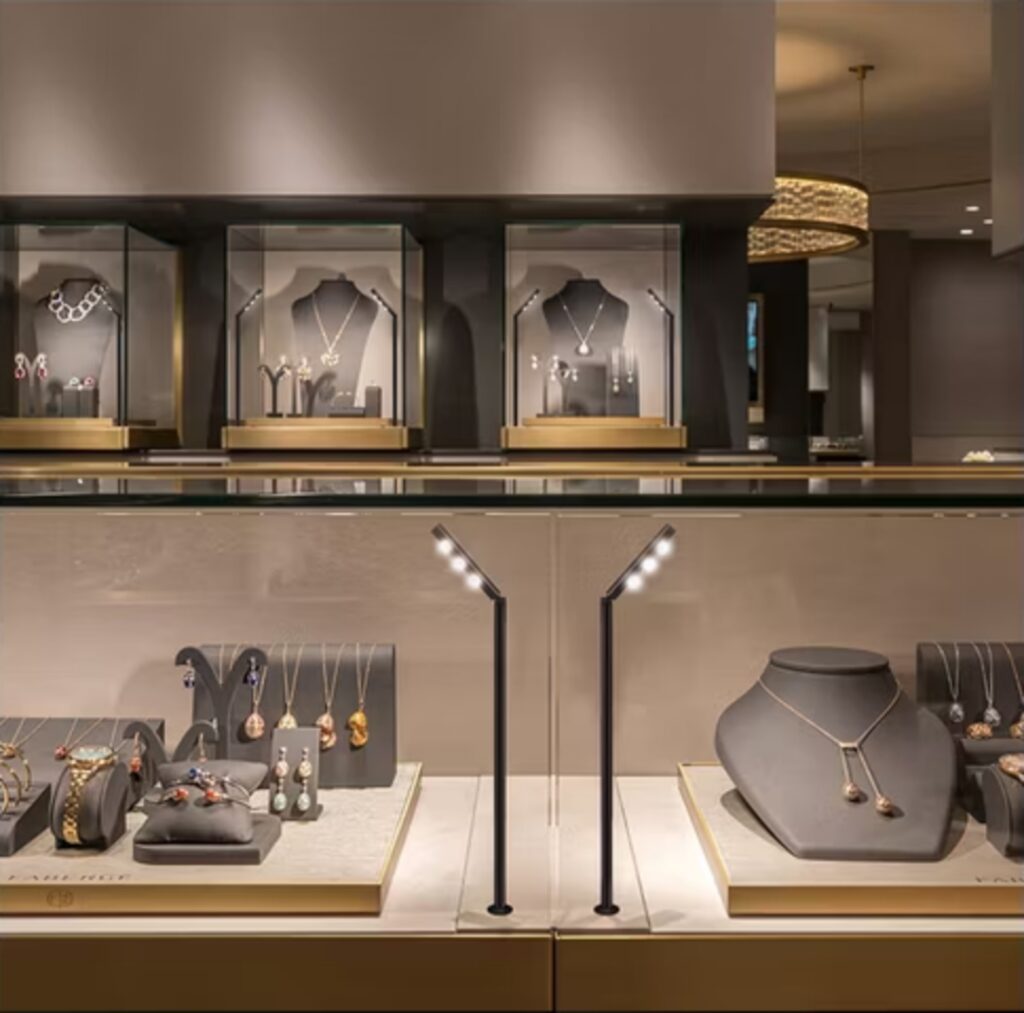
That’s why LED showcase lighting has become a big deal in jewelry, museums, and high-end retail. It lets you control focus without blasting everything with harsh light.
If you work with Jewelry showcase lighting, this is especially important because sparkle can look amazing—or totally flat—depending on beam control and glare.
Why Is Flexibility The Secret Weapon In Modern Track Lighting?
Displays change. Seasons change. Product layouts change. But ceilings don’t.
That’s the problem with fixed lighting: when the display moves, the lighting becomes “wrong” even if it still works.
Modern systems solve this with flexibility:
- move heads anytime
- adjust beam direction on-site
- change the lighting scene without rewiring
- adapt the layout without redoing the ceiling plan
This is exactly why magnetic showcase track lighting is used in:
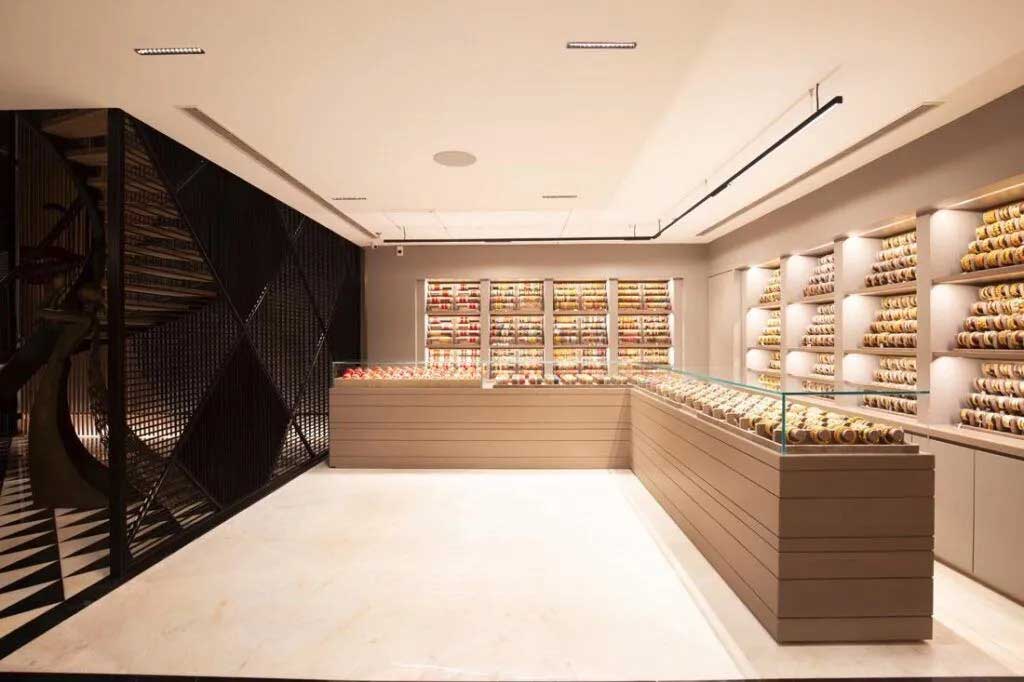
- jewelry showcases
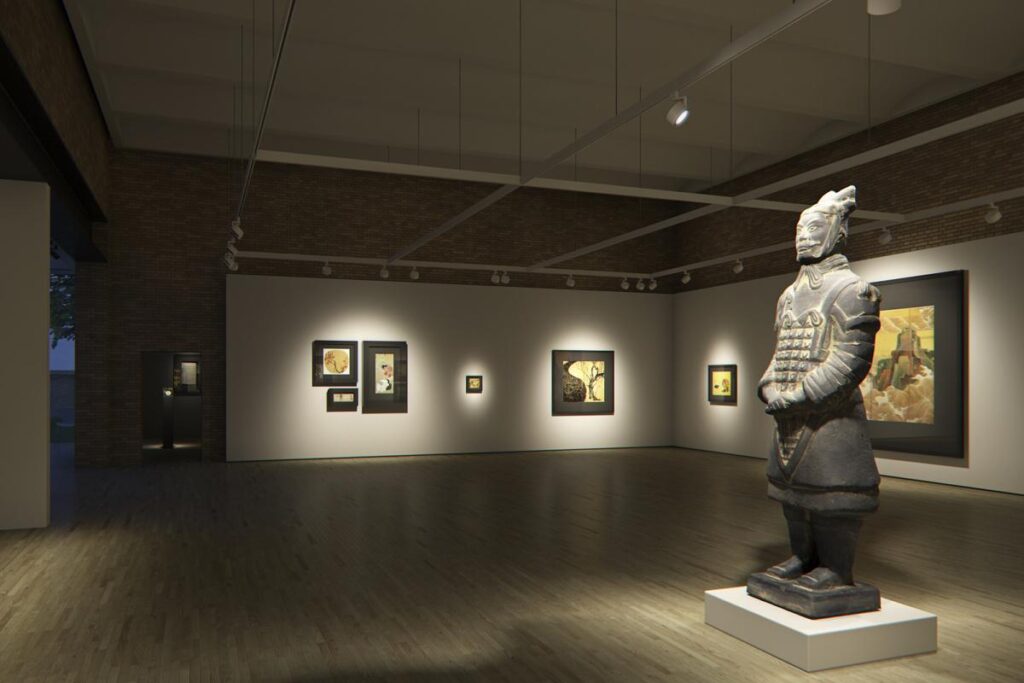
- museum exhibits
- high-end retail counters
How Did We Shift From “Brightness” To A Layered Experience?
Older projects often chased three things:
- wattage
- total brightness
- coverage area
But bright isn’t always beautiful. In fact, over-bright lighting can make a premium display look cheap, washed out, or reflective.
Modern lighting design uses layers, like building a scene:
| Lighting Layer | What It Does | Simple Example In A Showcase |
| Ambient Lighting | Sets the overall mood | Soft base light so the case doesn’t feel dark |
| Accent Lighting | Directs attention | Spot on the hero item |
| Detail Lighting | Reveals texture and edges | Small, controlled beam for sparkle and fine materials |
Track systems make this easier because multiple fixture types can live on one rail system. That’s how you get depth instead of “one flat brightness.”
If you want a clear breakdown of showcase lighting vs general lighting, this page explains it in a simple way.
What Role Do Control Systems Play In The “Invisible Experience Layer”?
Control is the part people don’t see—but they feel it.
Modern track lighting systems can include:
- dimming control (like 0–10V or DALI)
- tunable CCT
- zone switching
- scene presets (morning / evening / launch event)
So lighting becomes a tool the staff can use, not just something the installer leaves behind.
Here’s a simple example in retail:
- Morning: brighter, neutral light for clarity
- Evening: warmer, softer light for mood
- Product launch: a special scene that makes one area feel “new”
Why Does Compact Design Create Bigger Visual Impact?
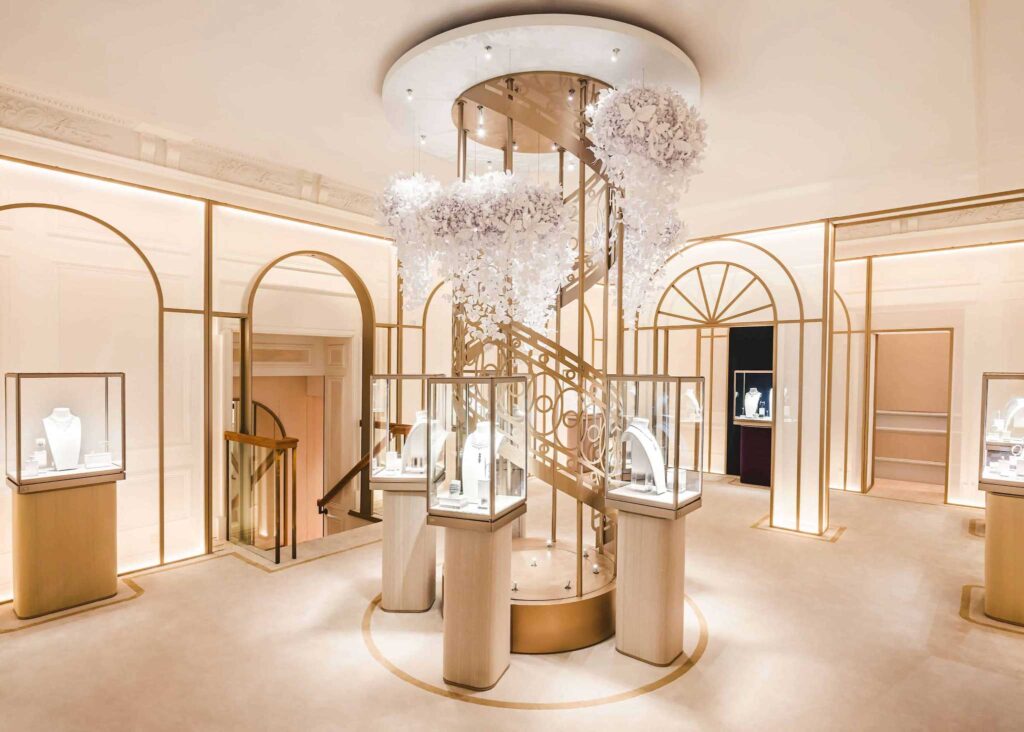
Big fixtures can steal attention. In showcase lighting, that’s the opposite of what you want.
This is why miniaturization is growing fast. Smaller fixtures bring:
- less visual distraction
- more focus on the product
- easier use in tight cabinet spaces
- cleaner design lines
This is where Mini showcase track lighting and even Mini LED pole lighting setups shine—because the lighting can “disappear,” while the product becomes the star.
How Does Lighting Become A Brand Experience Tool?
This is the biggest shift: lighting is no longer only an engineering choice. It’s a branding choice.
Lighting can quietly communicate:
- luxury vs accessibility
- modern vs classic
- sharp precision vs soft comfort
- exclusivity vs openness
That’s why global brands treat lighting like part of their identity system—just like fonts, materials, and layout.
When your lighting system is consistent across locations, your brand feels consistent too. That’s the power of system thinking.
If you’re working with LED jewelry lighting, this matters even more because tiny differences (glare, beam width, color quality) can change how customers judge value in seconds.
Conclusion
The lighting industry is moving beyond products.
The old question was:
“Which fixture should we install?”
The new question is:
“What experience do we want to create?”
Modern track lighting systems—especially flexible, modular setups like magnetic track lighting—are built for this reality. They don’t just light the space. They shape attention, guide emotion, and help products look like they belong.
External Links: